
Story Genres: MAFIA BOSS

  • Chapter 2: THE WOMAN BEHIND THE GLASSES

    Chapter 2: THE WOMAN BEHIND THE GLASSES

    At 7:42 on Friday evening, Mara stood in front of her bedroom mirror.

    The woman looking back at her was unfamiliar in the most extraordinary way.

    Her dark hair fell in long, loose waves down her back. Her hazel eyes were accentuated by subtle makeup, and her lips carried a deep rose color.

    The black evening gown followed her figure elegantly.

    Its open back revealed her shoulders and the graceful line of her spine. The fabric shimmered softly whenever she moved beneath the warm light.

    She wore small diamond earrings.

    Nothing excessive.

    Nothing borrowed.

    Nothing designed to impress anyone.

    For years, Mara had dressed to disappear.

    Tonight, she had decided not to.

    Her phone vibrated.

    A message from her mother.

    *Are you coming home tomorrow? I made your favorite dinner.*

    Mara smiled.

    *Yes. I promise.*

    A second message arrived.

    *You sound different. Everything all right?*

    Mara considered her answer.

    *I'm just tired of letting people decide who I am.*

    Her mother replied with a heart.

    Mara placed the phone inside her handbag.

    She picked up her glasses.

    For a moment, she considered wearing them.

    Then she remembered Dwayne's laughter.

    She placed them in their case.

    At 7:55, she left her apartment.

    ***

    Le Ciel occupied the top floor of the Lumière Grand Hotel, one of Manhattan's most exclusive properties.

    The restaurant was known for its French cuisine, private dining rooms, crystal chandeliers, and panoramic views of the city.

    A sweeping marble staircase led from the hotel lobby to the restaurant entrance.

    Soft jazz drifted through the air.

    Waiters moved between tables carrying silver trays.

    Candles flickered beside white roses and polished wine glasses.

    It was the kind of place where people spoke quietly because they assumed the world was listening.

    Dwayne had reserved the central dining area.

    His table was surrounded by his senior men.

    Marcus Vale sat to his right.

    Julian Cross sat opposite him.

    Three other associates occupied the remaining seats.

    Dwayne wore a perfectly tailored black suit and a white shirt with the top button undone.

    He had arrived twenty minutes earlier.

    He was already bored.

    “Where is she?” Marcus asked.

    “Probably trying to decide which sweater is formal enough.”

    The men laughed.

    Dwayne checked his watch.

    “Perhaps she thought I was serious.”

    “Maybe she is nervous,” Julian said.

    “About dinner?”

    “About sitting with us.”

    Dwayne picked up his wine.

    “Then she'll learn something tonight.”

    Marcus leaned closer.

    “You really intend to make her read the French menu?”

    “I want to see her face when the waiter explains the wine.”

    More laughter.

    Dwayne enjoyed the attention.

    He had built his reputation around control.

    People feared him, admired him, and sometimes hated him.

    But nobody laughed at him.

    Nobody challenged him.

    Nobody made him feel insignificant.

    Mara, with her glasses and quiet voice, was the perfect target because he believed she could never retaliate.

    At 8:03, the restaurant manager approached.

    “Mr. Mercer, your guest has arrived.”

    “Send her over.”

    The manager hesitated.

    “Of course, sir.”

    He stepped aside.

    And the room changed.

    Mara descended the marble staircase.

    She didn't hurry.

    Her right hand rested lightly on the railing, and her dark hair moved gently over her shoulders.

    The black gown caught the golden light.

    A diamond earring flashed beside her cheek.

    For several seconds, nobody recognized her.

    Then Julian slowly lowered his glass.

    Marcus stopped talking.

    Dwayne looked toward the staircase.

    His expression changed.

    First confusion.

    Then disbelief.

    Then something he had never expected to feel when looking at his secretary.

    Admiration.

    Mara reached the bottom of the stairs.

    She paused beside the table.

    “Good evening, gentlemen.”

    Her voice was the same.

    Warm.

    Clear.

    Calm.

    But the woman standing before them was not the image they had constructed in their minds.

    Dwayne stood.

    “Mara?”

    She looked at him.

    “Good evening, Mr. Mercer.”

    He opened his mouth.

    Nothing came out.

    Marcus recovered first.

    “Well,” he said, lifting his wineglass. “Someone has surprised us.”

    Mara smiled politely.

    “I hope I haven't interrupted anything.”

    “No,” Dwayne answered.

    His eyes remained fixed on her.

    “Not at all.”

    She pulled out her chair.

    Before sitting, she reached up and removed a pair of delicate hairpins that had been keeping one side of her hair in place.

    Her long hair fell completely over her shoulders.

    Dwayne watched the movement as though he had forgotten the other people existed.

    “Your glasses?” he finally asked.

    “In my handbag.”

    “Why?”

    “Because I don't need them to recognize people.”

    Julian coughed into his napkin.

    Marcus looked down.

    Dwayne gave a short, uncertain laugh.

    “Interesting.”

    Mara sat.

    A waiter approached with the wine list.

    “Would you care for the usual selection, Mr. Mercer?”

    “Bring the Bordeaux.”

    The waiter turned to Mara.

    “And for you, madam?”

    “Château Margaux, if you have the 2015.”

    The waiter nodded.

    “An excellent choice.”

    Dwayne glanced at her.

    “You know wine?”

    “I know a few things.”

    “I thought you preferred coffee.”

    “I prefer many things.”

    Marcus laughed softly.

    “She's full of surprises.”

    Mara looked at him.

    “Apparently.”

    Dinner began.

    For the first twenty minutes, the men attempted to restore their usual atmosphere.

    They discussed shipping schedules, property acquisitions, and a private meeting in New Jersey.

    Mara listened.

    She rarely interrupted.

    When the waiter brought the first course, she thanked him in fluent French.

    Dwayne noticed.

    “You speak French?”

    “Yes.”

    “How long?”

    “Since university.”

    “Which university?”

    “Columbia.”

    He stared.

    “You studied at Columbia?”

    “Economics and forensic accounting.”

    Julian looked up.

    “Then why are you working as a secretary?”

    Mara unfolded her napkin.

    “Because the position was available.”

    The answer was simple.

    But something about it made Dwayne uncomfortable.

    He had assumed her intelligence was limited because she never advertised it.

    He had confused quietness with ignorance.

    And now, sitting across from her, he was beginning to realize how little he knew.

    Marcus lifted his glass.

    “To unexpected discoveries.”

    The men followed.

    Mara raised hers.

    “To paying attention.”

    Her eyes met Dwayne's.

    He looked away first.

    ***

    Halfway through dinner, Dwayne decided to recover control.

    “So, Mara,” he said, leaning back. “Tell us something interesting.”

    She placed her fork down.

    “About what?”

    “Your life. Your ambitions. Something besides schedules and spreadsheets.”

    “I have a life outside the office.”

    “Really?”

    His smile returned.

    “Forgive me. I assumed you went home, organized your books alphabetically, and waited for Monday.”

    Julian laughed.

    Marcus joined him.

    Mara didn't.

    “Actually,” she said, “I spend a lot of time reviewing financial statements.”

    “Still?”

    “Some habits are useful.”

    “Like what?”

    “Noticing when numbers don't add up.”

    The table became quieter.

    Dwayne studied her.

    “Are you suggesting something?”

    “No. I'm answering your question.”

    Marcus placed his glass down.

    “Perhaps we should talk about something more pleasant.”

    Mara turned toward him.

    “Of course.”

    She took a small sip of wine.

    Then she reached into her handbag.

    Dwayne noticed the movement.

    “What are you doing?”

    “Giving you something.”

    She placed a slim envelope beside his plate.

    He didn't touch it.

    “What is this?”

    “Your quarterly financial reconciliation.”

    “I told you I didn't need documents tonight.”

    “You said you didn't need documents for dinner. You didn't say I shouldn't bring them.”

    A few men exchanged looks.

    Dwayne opened the envelope.

    Inside were several pages.

    His expression changed as he read.

    The first page showed a series of transfers.

    The second contained signatures.

    The third listed a company that supposedly owned several of his overseas properties.

    Dwayne looked at Mara.

    “Where did you get this?”

    “From the records I was instructed to maintain.”

    “Who authorized these payments?”

    “Marcus Vale.”

    Marcus gave a dismissive laugh.

    “This is absurd.”

    Mara turned another page.

    “Perhaps you'd like to explain the two hundred and forty million dollars transferred through a company that has no employees, no registered office, and no declared business activity.”

    Nobody moved.

    Dwayne's eyes narrowed.

    “Marcus?”

    “It's a holding structure.”

    “Then why is it registered to a man who died four years ago?” Mara asked.

    Marcus stood.

    “That's enough.”

    Mara didn't flinch.

    “Sit down, Mr. Vale.”

    The room went silent.

    It was the first time anyone had ever spoken to Marcus in that tone.

    He looked toward Dwayne.

    “Boss, you cannot let her—”

    “Sit,” Dwayne ordered.

    Marcus slowly returned to his chair.

    Dwayne turned another page.

    There was a signature.

    His signature.

    At the bottom of an authorization dated fourteen months earlier.

    “What is this?”

    “Your approval for the restructuring of the Mercer international accounts.”

    “I approved the restructuring.”

    “You approved a restructuring proposal. You did not approve the transfers that followed.”

    “What's the difference?”

    “The difference is that someone used your authorization to move assets into accounts you never knew existed.”

    Dwayne looked at the figures again.

    His jaw tightened.

    “How much?”

    “Two hundred and forty million that I can document. The actual amount may be considerably higher.”

    Marcus leaned forward.

    “She's manufacturing a story.”

    Mara looked at him.

    “Then you'll have no problem explaining why the company that received the money purchased three properties under the names of your relatives.”

    Marcus's face hardened.

    Dwayne slowly placed the pages on the table.

    “Everyone leave us.”

    Nobody moved.

    He looked around.

    “Now.”

    The men began standing.

    Marcus remained seated.

    “I'm not leaving you alone with her.”

    Dwayne's eyes turned cold.

    “That's not a request.”

    Marcus stood.

    For a moment, the two men stared at each other.

    Then Marcus adjusted his jacket and walked toward the private lounge.

    Julian followed the others.

    When the room was finally empty, Dwayne looked at Mara.

    “Explain.”

    She folded her hands.

    “I've been investigating the discrepancies for eleven months.”

    “Without telling me?”

    “You wouldn't have listened.”

    “You work for me.”

    “I know.”

    “Then you should have come to me.”

    Mara's expression changed.

    “Would you have listened?”

    He said nothing.

    “Would you have listened if the woman you mocked every morning told you that your closest friend was stealing from you?”

    Dwayne looked down.

    Mara continued.

    “You invited me tonight because you wanted to humiliate me. You told your men that my appearance would make them laugh. You expected me to arrive frightened, uncomfortable, and grateful that you had included me.”

    “I was joking.”

    “No, Mr. Mercer. You were enjoying yourself.”

    The words landed between them.

    He looked at her again.

    “Why are you doing this?”

    “Because I know what happens when powerful men decide nobody else matters.”

    She reached into her handbag.

    This time, she removed a photograph.

    It showed Marcus standing beside the same black sedan from the anonymous email.

    And beside him was the man Mara had recognized.

    Dwayne stared at the photograph.

    His face went pale.

    “Where did you get this?”

    “Someone sent it to me.”

    “Who?”

    “I don't know.”

    He looked at the second man.

    “That's impossible.”

    “Why?”

    “Because that man is dead.”

    Mara leaned forward.

    “Apparently, he isn't.”

    Dwayne picked up the photograph.

    Then he looked at her.

    “What aren't you telling me?”

    Mara's voice softened.

    “My father was Daniel Ellison.”

    Dwayne froze.

    He stared at her as if the restaurant had suddenly become unfamiliar.

    “Daniel Ellison?”

    “Yes.”

    He slowly sat down.

    “Your father was my father's accountant.”

    “I know.”

    “He died.”

    “I know that too.”

    Dwayne looked at the photograph again.

    “Why didn't you tell me?”

    “Because I wanted to know who was responsible before I revealed who I was.”

    He looked up.

    “And what did you find?”

    Mara opened the final page of her folder.

    “Your organization has been compromised from the inside for eleven years.”

    She placed the page before him.

    At the bottom was a date.

    The date of her father's accident.

    And beneath it, an authorization bearing Dwayne's signature.

    He stared.

    “What is this?”

    “An order to retrieve a missing ledger.”

    Dwayne looked sick.

    “I don't remember this.”

    “You signed it.”

    “I said I don't remember.”

    Mara leaned back.

    “Then perhaps you should ask Marcus what happened after you signed it.”

    Dwayne looked toward the private lounge.

    The restaurant's jazz music continued.

    The candles burned.

    But something fundamental had changed.

    He stood abruptly.

    “Mara, we need to leave.”

    “Why?”

    “Because if this document is real, we're both in danger.”

    She looked toward the entrance.

    “I'm afraid we're already too late.”

    At that moment, the restaurant's doors locked with a heavy metallic click.

    And somewhere beyond the private lounge, a glass shattered.
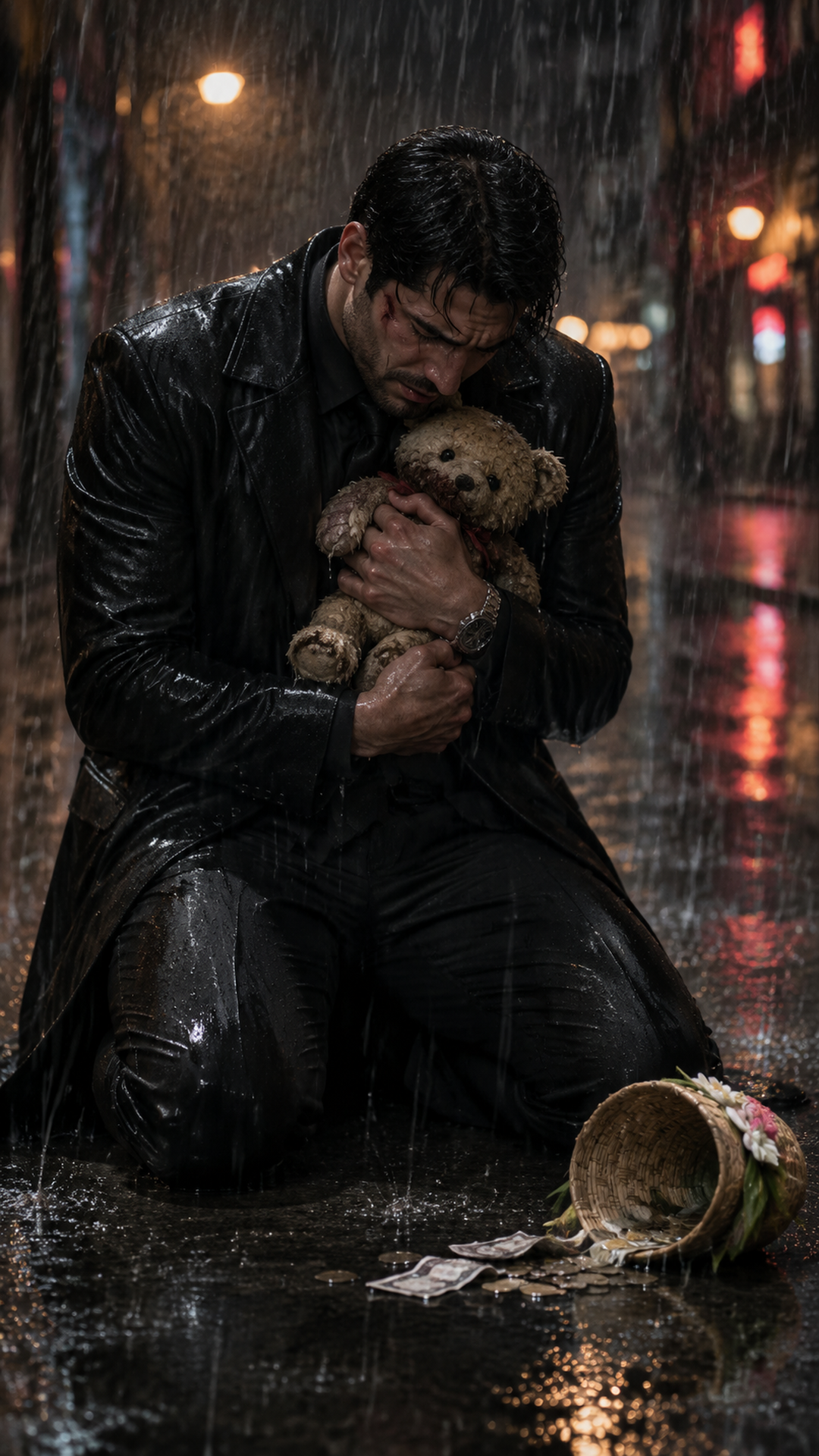
  • Chapter 1: THE NIGHT THE ROOM WENT SILENT

    Chapter 1: THE NIGHT THE ROOM WENT SILENT

    “A woman who can't afford dinner has no place in this restaurant.”

    Dwayne Mercer's voice cut through the soft jazz.

    At the center of Le Ciel, the most exclusive restaurant inside Manhattan's Lumiere Grand Hotel, twenty-three people suddenly became interested in the same table.

    Marcus Vale stopped moving his wineglass.

    Julian Cross leaned back in his chair.

    The other men surrounding Dwayne exchanged amused looks, waiting for the secretary to lower her head, apologize, and disappear into the humiliation he had carefully prepared for her.

    But Mara Ellison did something none of them expected.

    She removed her glasses.

    Slowly, she placed them beside her dinner plate, swept her long dark hair over one shoulder, and lifted her chin.

    The woman they had spent eighteen months dismissing as an awkward secretary was wearing a radiant, long black evening gown with an open back. Its elegant fabric caught the golden chandelier light whenever she moved.

    Her hazel eyes met Dwayne's cold grey ones.

    She held a glass of red wine between her fingers.

    For the first time that evening, the powerful mafia boss seemed unable to find a single word.

    Mara tilted her head.

    “I don't need your pity—or your money.”

    A playful smile touched her lips.

    She gently placed her wineglass on the table, rose from her chair, and stood proudly before him.

    Her long hair cascaded down her back.

    The black gown shimmered beneath the warm restaurant lights.

    She didn't look frightened.

    She didn't look embarrassed.

    And she certainly didn't look like someone who needed Dwayne Mercer's permission to occupy a room.

    Silence spread across the restaurant.

    The pianist's fingers paused above the keys.

    A waiter stopped beside a neighboring table.

    Marcus slowly lowered his glass.

    Julian stared at Mara as though he had never seen her before.

    Dwayne remained motionless.

    He had invited this woman to dinner because he wanted his men to laugh at her.

    He had expected an uncomfortable secretary in an inexpensive dress, someone who would struggle with the French menu and become the evening's entertainment.

    Instead, the woman standing before him had transformed the atmosphere of the entire restaurant without raising her voice.

    Dwayne swallowed.

    “Mara…”

    She smiled again.

    “Yes, Mr. Mercer?”

    He couldn't answer.

    For the first time in his life, the man who controlled the room had become the person everyone was watching.

    And he had no idea what to say.

    ***

    Six weeks earlier

    Mara Ellison's alarm rang at 5:45 every morning.

    She never pressed snooze.

    By 6:15, she was dressed, her dark brown hair twisted into a neat bun, her thin black-framed glasses resting comfortably on her nose.

    At twenty-nine, she had learned that arriving early was safer than arriving on time.

    Especially when working for Dwayne Mercer.

    She lived in a modest apartment in Manhattan, several subway stops away from the glass building that housed Mercer Holdings.

    Her apartment was small but tidy.

    Books occupied one wall. Her kitchen table doubled as a workspace, and a framed photograph of her parents stood beside a small lamp.

    Her father, Daniel Ellison, had been a financial controller.

    He had died eleven years earlier.

    Her mother, Helen, still lived in the same apartment where Mara had grown up, and every Sunday Mara visited her for dinner.

    Daniel had been an ordinary man in appearance.

    He wore inexpensive suits, carried a leather briefcase, and never spoke loudly.

    But he had possessed an extraordinary ability to notice when something wasn't right.

    It was that ability that had eventually cost him his life.

    At least, that was what Mara had come to believe.

    Eleven years earlier, Daniel had worked for Victor Mercer, the father of Dwayne Mercer.

    He had maintained financial records for the family's businesses, including several international shipping operations.

    Then, one winter evening, Daniel disappeared.

    Three days later, his car was found wrecked beside a highway.

    The police called it an accident.

    His employer sent condolences.

    His family received his personal belongings in a sealed box.

    But Mara had never believed the explanation.

    Among her father's belongings was a handwritten note.

    It contained only seven words.

    *If anything happens, find the missing ledger.*

    For eleven years, those words had followed her.

    She had studied accounting, then economics, and eventually specialized in forensic financial analysis.

    She had applied to dozens of companies.

    She had searched public records, old business registrations, and archived financial reports.

    Nothing led anywhere.

    Until Mercer Holdings acquired a small accounting firm that had once employed her father.

    That discovery had changed everything.

    Eighteen months ago, Mara applied for a position as executive secretary to Dwayne Mercer.

    She got the job.

    And she began looking.

    ***

    At 8:05 every morning, Mara sat behind the reception desk outside Dwayne's private office.

    Her computer displayed his schedule.

    Her telephone rarely stopped ringing.

    His coffee was always black.

    His meetings were always urgent.

    And his patience was almost nonexistent.

    Dwayne Mercer was thirty-eight years old.

    Tall, broad-shouldered, and exceptionally handsome, he possessed the kind of appearance that made people look twice even when they were afraid of him.

    His black hair was always neatly styled.

    His grey eyes were sharp and difficult to read.

    He wore expensive black suits, white shirts, and a silver wristwatch.

    He was the head of an organization whose legitimate business interests included hotels, construction, shipping, and commercial property.

    Behind those businesses existed a criminal network that few people outside his inner circle understood.

    His men called him the boss.

    Some called him the King.

    Mara called him Mr. Mercer.

    And she had learned never to mistake his occasional silence for kindness.

    “Miss Ellison!”

    His voice came through the intercom.

    Mara immediately picked up the telephone.

    “Yes, Mr. Mercer?”

    “Where's my schedule?”

    “On your desk, beside the blue folder.”

    “I don't see it.”

    “It's underneath the blue folder.”

    A pause.

    “Why would you put it underneath something?”

    “Because you asked me to keep the desk clear for the documents arriving this morning.”

    Another pause.

    “Just bring it.”

    “Of course.”

    She printed another copy and walked into his office.

    Dwayne stood beside the windows, looking down at the busy Manhattan streets.

    He didn't turn around when she entered.

    “Put it there.”

    Mara placed the schedule on his desk.

    He glanced at it.

    “You moved my meeting.”

    “The Boston representatives requested a later time.”

    “I didn't approve that.”

    “You approved it yesterday at 4:30.”

    He turned.

    “Are you correcting me?”

    “No, sir. I'm explaining the schedule.”

    He stared at her.

    “You should learn when to speak and when to listen.”

    Mara lowered her eyes.

    “Understood.”

    “Coffee.”

    “Black?”

    His expression hardened.

    “Have you forgotten how I take it?”

    “No.”

    “Then stop asking unnecessary questions.”

    She picked up the empty cup and left.

    Outside, she paused beside her desk.

    Then she quietly exhaled.

    There were days when she wondered how a man who could negotiate multimillion-dollar business agreements could become so irritated by a simple question.

    But she had not come to Mercer Holdings to be liked.

    She had come to find her father's ledger.

    And she wasn't leaving without it.

    ***

    Her investigation had become increasingly complicated.

    The official financial records looked clean.

    Too clean.

    Several international accounts showed identical patterns of deposits and withdrawals.

    Companies that supposedly operated warehouses, shipping facilities, and investment offices had no identifiable employees.

    Some had been registered only months before receiving millions of dollars.

    Mara had initially assumed the discrepancies were administrative mistakes.

    Then she discovered that the same authorization code appeared on dozens of transfers.

    The code belonged to Marcus Vale.

    Marcus was Dwayne's second-in-command.

    He had been beside the Mercer family for decades and was regarded as one of the most trusted men in the organization.

    He was in his early forties, with neatly combed dark hair, a controlled expression, and expensive suits.

    Unlike Dwayne, he rarely raised his voice.

    He didn't need to.

    People listened when Marcus spoke because they understood that he could make their lives difficult without appearing to do anything at all.

    He frequently visited Dwayne's office.

    Sometimes he brought documents.

    Sometimes he brought information.

    And sometimes he simply sat beside Dwayne and discussed business as though they were old friends.

    Mara had noticed something else.

    Whenever Marcus entered the office, Dwayne stopped asking questions.

    That bothered her.

    One Tuesday morning, she discovered another transfer.

    The amount was twelve million dollars.

    The receiving company was registered in Delaware.

    It had no employees, no physical office, and no declared business activity.

    Yet the transfer had been approved through an account associated with Marcus.

    Mara printed the document.

    She compared it with the previous transactions.

    Then she opened her private spreadsheet.

    Eleven months of information appeared on her screen.

    She highlighted the latest transfer.

    Another piece of the puzzle.

    But she still lacked the original ledger.

    Without it, she couldn't establish who had authorized the first transfers or whether the discrepancies were connected to her father's death.

    A knock interrupted her thoughts.

    “Miss Ellison?”

    Julian Cross stood at the doorway.

    Dwayne's head of security was thirty-four, broad-shouldered, and almost always dressed in dark clothing.

    He had a habit of speaking as though everyone around him had already made a mistake.

    “Mr. Cross?”

    “Marcus wants the revised financial schedule.”

    “It's being finalized.”

    “He wants it now.”

    “I need the missing signatures.”

    Julian sighed.

    “Why is everything so complicated with you?”

    “Because the documents aren't complete.”

    “Just send what you have.”

    Mara looked at him.

    “If something is incorrect, Mr. Mercer will ask who approved it.”

    Julian stared.

    Then he gave a humorless smile.

    “You really enjoy making things difficult.”

    “No. I enjoy making sure things are correct.”

    He shook his head.

    “Good luck with that.”

    After he left, Mara looked toward Dwayne's office.

    The door was closed.

    She saved her spreadsheet, encrypted the file, and returned to work.

    She had a growing suspicion that the missing ledger was not simply a record of financial irregularities.

    It was a record of people.

    People who had moved money.

    People who had authorized transfers.

    And people who had disappeared.

    ***

    The memory of the rose came back to her that winter.

    It had happened several months before the dinner invitation.

    Mara had been summoned to Le Ciel to deliver a revised schedule for an important meeting.

    It was a cold evening.

    Snow clung to the sidewalks outside the Lumiere Grand Hotel, and the restaurant's windows glowed warmly against the dark Manhattan sky.

    She had arrived wearing a simple charcoal coat, a grey dress, and her usual glasses.

    The manager directed her toward the far end of the restaurant.

    Dwayne was there with Marcus and Julian.

    The three men were seated near a large window, enjoying dinner.

    Mara approached cautiously.

    She wasn't sure why Dwayne had insisted she deliver the papers in person when he could have received them at the office.

    “Mr. Mercer?”

    Dwayne looked up.

    His black suit fitted perfectly across his shoulders.

    He glanced at the papers in her hand, then at her face.

    “Finally.”

    “I'm sorry. The roads were—”

    “I didn't ask for an explanation.”

    She stopped speaking.

    Marcus leaned back, smiling.

    Julian looked toward the other tables.

    Dwayne stood and approached her from the front.

    Mara was confused.

    “Is there something else you need, sir?”

    Instead of answering, he reached toward a nearby flower arrangement.

    He removed a single red rose.

    Then, without asking, he rudely placed it in her hand.

    Mara stared at the flower.

    “Mr. Mercer?”

    He looked at her expression and smiled.

    “Something for you.”

    She didn't know what to say.

    The rose rested against her palm.

    Almost instinctively, she took it with both hands and held it close to her chest.

    Behind Dwayne, Marcus and Julian began laughing.

    Not quietly.

    Not discreetly.

    They laughed as though the entire situation had been arranged for their entertainment.

    “Careful,” Marcus said. “She might think you're proposing.”

    Julian chuckled.

    “Perhaps this is the beginning of a beautiful romance.”

    Dwayne turned slightly toward them.

    “Don't encourage her.”

    More laughter followed.

    Mara looked at the rose.

    Then at Dwayne.

    “I brought the schedule you requested.”

    “Put it on the table.”

    She placed the papers beside his wineglass.

    Dwayne glanced at them.

    “Next time, send someone who knows how to dress for a restaurant.”

    Her cheeks warmed.

    “I understand.”

    She turned to leave.

    But before she reached the entrance, she looked down at the rose again.

    She had no idea why she had held it so carefully.

    Perhaps because, for one foolish second, she had believed the gesture might have been genuine.

    That possibility had disappeared the moment she heard the laughter.

    Outside, the winter wind struck her face.

    She placed the rose inside her handbag rather than throwing it away.

    Not because it meant anything.

    Because she refused to let those men decide that even a small kindness had to become a source of shame.

    The following morning, she returned to the office as usual.

    Dwayne never mentioned the rose again.

    Neither did she.

    But the memory stayed with her.

    ***

    By Thursday afternoon, the atmosphere inside Mercer Holdings had become unusually tense.

    Marcus had spent most of the morning behind closed doors with Dwayne.

    Julian had made several telephone calls.

    And two unfamiliar men had entered the building carrying briefcases.

    Mara continued working.

    She prepared the afternoon schedule, organized several contracts, and checked the latest financial statements.

    At 3:20, she found another suspicious transfer.

    This one was particularly interesting.

    The payment had been authorized fourteen months earlier, shortly after she joined the company.

    The approval appeared to carry Dwayne's signature.

    But the accompanying document was missing.

    She compared the signature with several other records.

    It looked genuine.

    Still, something bothered her.

    The authorization number belonged to a transaction that had never appeared in the official accounting system.

    She printed the page and placed it inside a separate envelope.

    She would need to investigate further.

    “Miss Ellison.”

    Dwayne's voice made her look up.

    He stood in his doorway.

    “Come here.”

    She entered his office.

    He was standing beside his desk, adjusting his silver watch.

    “Cancel Friday evening.”

    Mara checked his calendar.

    “You have a meeting with the Boston investors at six.”

    “Move it.”

    “And your dinner with the legal representatives?”

    “Cancel it.”

    She typed the changes.

    “Anything else?”

    “Yes.”

    He looked at her.

    “You're coming to dinner with me.”

    Mara stopped typing.

    “I'm sorry?”

    “Friday. Eight o'clock. Le Ciel.”

    She blinked.

    “Is this a business dinner?”

    “No.”

    “Should I prepare anything?”

    “No documents.”

    “Will there be other guests?”

    “Marcus. Julian. A few of the men.”

    She waited.

    Dwayne gave her a small smile.

    “Wear something appropriate.”

    Mara looked at him carefully.

    “May I ask why you've invited me?”

    “Because I have.”

    “That isn't quite an explanation.”

    His smile widened.

    “Must everything be explained to you?”

    “No, sir.”

    “Good.”

    He turned toward his desk.

    “Don't be late.”

    Mara returned to her workstation.

    She stared at the calendar entry.

    FRIDAY — 8:00 P.M. — LE CIEL.

    It was the first time Dwayne had ever invited her to a private dinner.

    And something about his expression had made her uncomfortable.

    She couldn't explain why.

    But she knew better than to assume the invitation was an act of kindness.

    ***

    Ten minutes later, Mara was organizing the next day's correspondence when she heard laughter from inside Dwayne's office.

    The door wasn't completely closed.

    She recognized Marcus's voice.

    “Are you serious?”

    Dwayne laughed.

    “Absolutely.”

    “You're actually bringing her?”

    “Why not?”

    Marcus chuckled.

    “She's going to think it's an honor.”

    Julian joined them.

    “Perhaps she'll bring a notebook.”

    Dwayne laughed again.

    “I wouldn't be surprised if she arrived with a calculator.”

    Mara's fingers stopped above the keyboard.

    She hadn't intended to listen.

    But then Dwayne spoke again.

    “Eighteen months of looking at that ridiculous bun and those glasses. I think it's time she experienced something different.”

    Marcus laughed.

    “What exactly do you have planned?”

    “Nothing complicated. A French dinner. Expensive wine. A table full of people who know how to behave in a restaurant.”

    “And Mara?”

    Dwayne gave a dismissive laugh.

    “She'll be the entertainment.”

    Julian chuckled.

    “You're cruel.”

    “I'm giving her an opportunity to enjoy the evening.”

    Marcus lowered his voice.

    “Come on, Dwayne. You just want to see her embarrassed.”

    “Of course I do.”

    The men laughed again.

    Mara sat perfectly still.

    Her eyes remained on the computer screen, but she was no longer reading anything.

    Dwayne continued.

    “Imagine her trying to understand the French menu. I'll have the waiter explain everything twice. Perhaps we'll let her choose the wine.”

    Marcus laughed.

    “Don't be surprised if she orders coffee.”

    “That's why I invited her.”

    Another burst of laughter.

    Mara slowly lowered her hands.

    For eighteen months, she had endured Dwayne's impatience.

    She had tolerated his insults.

    She had remained silent when he dismissed her work in front of his men.

    She had told herself that none of it mattered.

    She needed access to the records.

    She needed to find the ledger.

    She needed answers about her father.

    But hearing him describe her as entertainment made something inside her tighten.

    It wasn't the invitation that hurt.

    It was the realization that he had never considered her a person worth respecting.

    She quietly saved her work.

    Then she stood and walked toward the coffee station.

    She would not let them see that she had heard.

    She would not give them the satisfaction.

    But as she poured the coffee, she made a decision.

    If Dwayne Mercer wanted her at his dinner table, she would attend.

    And she would not spend the evening apologizing for existing.

    ***

    That evening, Mara returned home later than usual.

    She placed her handbag on the kitchen table and took out the small photograph of her father.

    Daniel was smiling.

    He wore a dark suit and stood beside her mother at a family gathering.

    Mara sat down.

    “I'm getting closer, Dad.”

    She touched the edge of the photograph.

    “I think I found something.”

    Her father's missing ledger had become more than a family mystery.

    It was the reason she had spent eighteen months working for a man who barely respected her.

    And now, that same man had invited her to dinner to humiliate her.

    She looked toward the window.

    Snow had begun falling again.

    For a moment, she remembered the rose.

    The cold evening.

    Dwayne's black suit.

    The laughter behind him.

    She wondered whether he remembered it at all.

    Her phone vibrated.

    A message from her mother appeared.

    *Don't forget Sunday dinner. I made your favorite chicken soup.*

    Mara smiled and replied.

    *I wouldn't miss it.*

    She put the phone down.

    Then she opened her laptop.

    There was one final financial report she wanted to examine before going to bed.

    She logged into her private research folder and compared the suspicious transactions.

    One name appeared repeatedly.

    Marcus Vale.

    Another appeared on several older documents.

    Daniel Ellison.

    Mara leaned closer.

    Her father's name had been entered into a transaction record dated three days before his death.

    She opened the attachment.

    The document was incomplete.

    Several pages were missing.

    But at the bottom was a reference to something she had never seen before.

    ARCHIVE LEDGER — ORIGINAL COPY — MERCER PRIVATE RECORDS.

    Her heart began beating faster.

    The missing ledger might still exist.

    And if it did, it might contain the truth about what had happened eleven years earlier.

    She copied the reference number into her notebook.

    Then she closed the laptop.

    For the first time in months, she felt she was standing close to an answer.

    ***

    At 11:38 p.m., just as Mara was preparing for bed, an email arrived.

    The sender's address was unfamiliar.

    There was no subject line.

    She opened it.

    One photograph appeared.

    A black sedan stood outside a warehouse.

    Marcus Vale was beside the driver's door.

    He wore a dark coat and appeared to be speaking with another man.

    Mara enlarged the photograph.

    The second man's face was partially visible.

    She recognized him immediately.

    It was a former security chief who had once worked for Victor Mercer.

    According to the records Mara had found, the man had died eight years earlier.

    Yet there he was.

    Standing beside Marcus.

    Alive.

    Mara looked beneath the photograph.

    There was one sentence.

    *Ask Dwayne Mercer what happened to Daniel Ellison.*

    She read it again.

    Then again.

    Her father's name.

    After eleven years of silence, someone had finally sent her a message about him.

    Her hands began to tremble.

    She looked at the photograph once more.

    Then she noticed something in the background.

    The warehouse entrance.

    A date.

    And a small handwritten number on the wall.

    She recognized it from one of her father's old documents.

    It was a reference to the original ledger.

    Mara slowly sat down.

    The person who had sent the email knew about her investigation.

    They knew about Daniel.

    And they knew she was working for Dwayne Mercer.

    Her phone vibrated again.

    This time, it was a calendar reminder.

    TOMORROW — FRIDAY, 8:00 P.M. — DINNER WITH DWAYNE MERCER AT LE CIEL.

    Mara stared at the screen.

    Tomorrow night, she would sit at a table with the man who had mocked her, the man whose organization might have destroyed her father, and the man who might unknowingly hold the answers she had spent eleven years searching for.

    She looked at her reflection in the dark window.

    Her glasses.

    Her tightly pinned hair.

    Her ordinary clothes.

    Then she looked at the photograph of Daniel.

    “I'm going to find out what happened to you,” she whispered.

    She closed the email.

    But before shutting down her laptop, she noticed one final detail.

    The sender had included an attachment she hadn't opened.

    Its filename contained only three words:

    DANIEL'S LAST NIGHT.

    Mara's fingers hovered above the screen.

    Then she clicked.

    And what appeared in the attachment made her realize that tomorrow's dinner might be far more dangerous than Dwayne Mercer intended.

    To be continued…

  • Chapter 7: THE WISH THAT FINALLY CAME TRUE

    Chapter 7: THE WISH THAT FINALLY CAME TRUE

    “Who else was involved?”

    Kave stood in the study, listening to the recording again.

    His lawyer waited on the other end of the call.

    “We found a second name in the documents.”

    “Say it.”

    “Your father's business partner. Victor Hale.”

    Kave recognized the name.

    Victor had been a powerful businessman during his father's time.

    He had financed several operations and controlled multiple shipping companies.

    But he had died years earlier.

    “What does he have to do with Kavi?”

    “The documents suggest he was the person who arranged the original removal.”

    Kave stared at the desk.

    “Why?”

    “We're still investigating.”

    “Continue.”

    The lawyer hesitated.

    “There's something else. A witness is willing to speak.”

    “Who?”

    “Tomas.”

    Kave closed his eyes.

    The old driver had finally decided to tell the truth.

    “Bring him to the authorities.”

    “Understood.”

    “And make sure he is protected.”

    “Sir, you're asking us to cooperate fully with the investigation.”

    “Yes.”

    “Do you understand what that means for your organization?”

    Kave looked at the photograph of his brother.

    “I do.”

    ***

    The following week changed everything.

    Kave surrendered the financial records.

    He gave investigators access to the companies he controlled.

    He identified the men who had helped conceal the truth about Kavi.

    He also provided evidence of corruption that had protected the Voss organization for decades.

    Some of his associates called him a traitor.

    Others threatened to walk away.

    A few tried to convince him that he could preserve the business if he simply handed over the smaller operations.

    Kave refused.

    He had spent twenty-six years believing that power could repair what he had lost.

    Now he understood that power had been part of the reason he lost it.

    He would not build another empire on silence.

    Silas was charged for his role in the conspiracy and for his involvement in the criminal organization.

    Tomas agreed to testify.

    The investigation into Darius Voss's old network expanded.

    ***

    A few days later, Kave met his lawyer in a quiet conference room at the courthouse.

    The lawyer placed two folders on the table.

    “The first contains Silas's supplemental statement.”

    Kave opened it.

    “He identified himself as the man who visited Mara at the boarding house,” the lawyer said. “He said Darius ordered him to confirm that the bear had not been used to identify Kieran. He offered money because he believed she might surrender it.”

    “Did he take it?”

    “No. He left without it.”

    Kave read the statement again.

    “He watched her keep a promise to my brother and still let her live with fear.”

    “Yes.”

    “What is in the second folder?”

    “The man who called Mara. Investigators traced the call to a former operative who worked for Victor Hale. He was also connected to the men who entered the medical center before Kavi was moved.”

    Kave's jaw tightened.

    “Was he the one who ordered the attack?”

    “He arranged it. He wanted to stop Kavi from reaching you and frighten Mara into giving up the bear. He admitted that the threat was meant to make you abandon the search.”

    “And Phoebe?”

    “The investigators found no plan to approach her. The caller used her as a threat because he knew Mara would be frightened.”

    Kave closed the folder.

    “That's still a threat against a child.”

    “Yes. The case is being handled as a serious criminal matter.”

    “Where is he now?”

    “In custody. The clinic attack, the threat, and the old payments are all part of the evidence.”

    Kave pushed the folders back.

    “Give the prosecutors everything. No private interrogation. No one touches him.”

    The lawyer nodded.

    “And Mara and Phoebe?”

    “Protection will be arranged through the authorities. Not men from my old organization.”

    “Understood.”

    Kave stood.

    For years, he would have answered a threat with another threat.

    Now he was choosing to let the evidence speak.

    ***

    Kave did not escape the consequences.

    He knew he would face legal proceedings.

    He knew he might lose properties, money, and the protection he had once taken for granted.

    But he had made his decision.

    For the first time, he was not choosing the organization.

    He was choosing people.

    ***

    Mara brought the biscuit tin to Kavi one quiet afternoon.

    He was repairing the strap on his medical bag when she placed it on the table.

    “I kept something from you,” she said.

    Kavi looked at the tin.

    “What is it?”

    “Letters.”

    She took out the three envelopes she had written after his first letter reached her. The paper had yellowed. The corners were soft from being handled and put away again.

    “I tried to send them,” Mara explained. “They came back, or the address stopped working. I kept them because I didn't know what else to do with the words.”

    Kavi opened the first envelope.

    He read the date.

    Then he read the letter.

    Mara watched his face change as he reached the final line.

    “You wrote all this?”

    “I did.”

    Kavi opened the second letter, then the third. He did not read them aloud. He held each page carefully, as if it were something fragile.

    When he finished, he folded them and returned them to the tin.

    “I thought nobody remembered me,” he said.

    Mara sat across from him.

    “I remembered.”

    Kavi looked at her.

    “You kept the bear. You kept the letter I sent. And you kept these.”

    “I promised.”

    He lowered his head.

    “Thank you for keeping a place for me in the world.”

    Mara reached across the table and touched his hand.

    “You found your way back.”

    Kavi looked toward the shelf, where Benny sat beside the childhood photograph.

    “I think I was always trying.”

    ***

    Six months later, the rain returned to the city.

    But this time, it was a warm spring rain.

    The Belladonna Restaurant had reopened its charity program.

    The manager had invited local families to participate in a fundraiser for children affected by flooding.

    A large donation krathong stood near the entrance.

    It was decorated with yellow flowers and small paper lanterns.

    Phoebe stood beside it in a clean pale-yellow dress.

    Her school uniform was folded neatly inside her backpack.

    Benny rested in her arms.

    Kave approached.

    He wore a black suit, but no leather jacket.

    His hair was neatly combed.

    He looked less intimidating than he once had.

    Phoebe smiled.

    “Mr. Kave!”

    He crouched.

    “Hello.”

    “Look what I brought.”

    She showed him a small envelope.

    “What is it?”

    “My donation.”

    Kave looked at the envelope.

    “What's inside?”

    “Money.”

    “How much?”

    “Twenty dollars.”

    He nodded.

    “That's generous.”

    Phoebe looked toward the krathong.

    “I want to make a wish.”

    Kave glanced at her.

    “What will you wish for?”

    She thought about it.

    “Mommy to stay healthy.”

    Kave smiled.

    “That's a good wish.”

    “And Uncle Kieran to keep helping people.”

    “Another good wish.”

    Phoebe looked at him.

    “And you.”

    Kave's expression softened.

    “What about me?”

    She placed the envelope in the donation box.

    “I want you to be happy.”

    For several seconds, Kave couldn't speak.

    Then he nodded.

    “Thank you, Phoebe.”

    She smiled.

    “You're welcome.”

    ***

    Mara stood near the restaurant doors.

    She wore a simple cream blouse and a dark-blue coat.

    Her health had improved, and color had returned to her face.

    Kavi stood beside her.

    He had repaired Benny's ear and replaced the tiny brass bell.

    The bear looked old, but loved.

    Kave approached them.

    “Everything all right?”

    Mara smiled.

    “Everything is wonderful.”

    Kavi handed him a small object.

    It was a photograph.

    The old photograph of the two boys standing before the red door.

    Kave looked at it.

    “I found this in the box from our childhood home,” Kavi explained.

    Kave turned it over.

    There was handwriting on the back.

    *Brothers forever.*

    He stared at the words.

    Kavi smiled.

    “Mother wrote that.”

    Kave nodded.

    “I remember.”

    Kavi looked toward the donation krathong.

    “You know, I used to think I would never see any of this again.”

    Kave looked at him.

    “Neither did I.”

    Kavi placed a hand on his shoulder.

    “We're here now.”

    Kave nodded.

    “Yes.”

    ***

    Later that evening, the four of them walked through the city.

    Phoebe skipped ahead with Benny in her arms.

    Mara walked beside Kave.

    Kavi followed a few steps behind, carrying the donation basket.

    The rain began again.

    Phoebe stopped beneath a streetlight.

    “Look!”

    She pointed toward a puddle.

    A small paper boat floated across the water.

    Kave watched it drift.

    For a moment, the old memory returned.

    A flooded street.

    A small hand.

    A van.

    A promise.

    Then he looked at his brother.

    Kavi was smiling.

    He looked at Mara.

    She was laughing at something Phoebe had said.

    And he looked at the little girl.

    She was holding her teddy bear above the puddle, protecting it from the rain.

    “Mr. Kave!”

    He turned.

    “What's wrong?”

    Phoebe held out her hand.

    “Come on!”

    “Where?”

    “Home.”

    Kave looked at Mara.

    She smiled.

    “She's been waiting for you.”

    He took Phoebe's hand.

    They walked together.

    ***

    Several weeks later, Kave returned to the restaurant alone.

    The donation krathong had been moved inside.

    It stood beneath the warm light near the entrance.

    The manager approached.

    “Mr. Voss.”

    Kave nodded.

    “Is the fundraiser going well?”

    “Very well. We have raised enough to support three local families.”

    Kave looked at the basket.

    “Good.”

    The manager hesitated.

    “There's something I wanted to say.”

    “What?”

    “I'm sorry about that night.”

    Kave looked at him.

    “Why?”

    “You were angry. You scattered the little girl's money. I should have stopped you.”

    Kave shook his head.

    “You shouldn't have had to stop me.”

    The manager looked surprised.

    Kave continued.

    “I knew what I was doing. I simply didn't care enough to ask why.”

    He reached into his pocket and placed an envelope inside the donation box.

    The manager glanced at it.

    “That's a very large contribution.”

    “Then use it carefully.”

    “For the families?”

    “For the families.”

    Kave turned toward the door.

    Before leaving, he looked back at the krathong.

    For years, he had believed that a single moment could destroy a life.

    The night Kavi disappeared had become the center of his world.

    He had allowed it to turn him into a man who could not feel.

    But another moment had changed everything.

    A little girl in a torn yellow uniform.

    A soaked teddy bear.

    A simple wish.

    And a question he had forgotten to ask.

    *Who needs help?*

    ***

    That night, Kave arrived at Mara's apartment carrying a small package.

    Phoebe opened the door.

    “Mr. Kave!”

    “Hello.”

    “What did you bring?”

    He handed her the package.

    Inside was a new picture frame.

    Phoebe opened it carefully.

    It contained the photograph of Kave and Kavi as children.

    She studied it.

    “That's Uncle Kieran!”

    “Yes.”

    “And that's you?”

    “Yes.”

    “Were you little?”

    Kave smiled.

    “Very little.”

    Phoebe placed the frame on the shelf beside Benny.

    Then she looked at the two boys again.

    “Why were you both sad?”

    Kave knelt beside her.

    “We weren't sad in this picture.”

    “Then why do you look sad now?”

    He considered his answer.

    “Because we were apart for a long time.”

    Phoebe nodded.

    “But you're together now.”

    Kave looked toward the living room.

    Kavi was helping Mara prepare dinner.

    The apartment smelled of warm bread and soup.

    A lamp glowed beside the window.

    There were school drawings on the refrigerator.

    A repaired teddy bear sat on the shelf.

    Kave looked back at Phoebe.

    “Yes,” he said.

    “We're together now.”

    ***

    Later, after dinner, Kave and Mara stood on the balcony.

    The city lights shimmered below them.

    Mara leaned against the railing.

    “You seem different.”

    Kave looked at her.

    “Different how?”

    “Quieter.”

    “Is that good?”

    “Much better.”

    He smiled.

    For a moment, they watched the rain.

    Then Kave spoke.

    “I don't want to make promises I can't keep.”

    Mara turned toward him.

    “Then don't.”

    “I want to be here. Not because I feel guilty. Not because I owe you anything. Because I want to build something honest.”

    Mara looked into his eyes.

    “And what do you think that would look like?”

    “Slowly.”

    She smiled.

    “Good answer.”

    “I want to be someone Phoebe can trust.”

    “You already are.”

    “And someone you can trust.”

    Mara was quiet.

    Then she reached for his hand.

    “Keep choosing to show up.”

    Kave held her hand gently.

    “I will.”

    She leaned closer.

    He kissed her softly.

    There was no urgency.

    No demand.

    Only two adults who had survived difficult lives and were willing to begin again.

    When they stepped apart, Mara rested her forehead briefly against his.

    “Welcome home, Kave.”

    He closed his eyes.

    For the first time in twenty-six years, the word felt real.

    Home.

    ***

    At the kitchen table, Kavi unfolded a sheet of paper.

    Kave glanced at it.

    “What are you working on?”

    “A proposal.”

    “For the hospital?”

    “For a neighborhood emergency-response program. Flood preparation, first aid, and basic rescue training. The districts near the river need people who know what to do before an ambulance can get there.”

    Kave pulled out a chair.

    “How much will it cost?”

    Kavi gave him a look.

    “You haven't even asked what it does.”

    “I heard you.”

    “You heard a number in your head.”

    Kave smiled.

    “Old habits.”

    Kavi tapped the paper.

    “If you want to help, the funding has to be transparent. An independent board will decide where the money goes. No family name on the building. No private guards standing at the door.”

    “Agreed.”

    “And no one gets a job because they know you.”

    “Agreed.”

    Kavi studied him.

    “You're making this sound easy.”

    “It isn't.”

    “Then why are you smiling?”

    “Because for once, the thing we're planning might help people who will never know our names.”

    Kavi looked down at the proposal.

    “That's the point.”

    Kave reached for a pen.

    “Tell me what you need.”

    “Someone to review the budget.”

    “I can do that.”

    “Someone to find a suitable training space.”

    “I can do that, too.”

    “And someone who understands that this is your chance to support a good thing without trying to own it.”

    Kave set the pen down.

    “I'll work on that one.”

    Kavi laughed.

    “Good. That's the hardest part.”

    They sat together until the paper was covered with notes.

    When they finished, Kavi folded it carefully and placed it beside the old photograph of the two boys.

    “Tomorrow,” he said, “we start with one neighborhood.”

    Kave nodded.

    “One neighborhood.”

    ***

    Inside, Phoebe was asleep.

    Benny rested beside her pillow.

    Kavi stood in the doorway, watching the little girl breathe peacefully.

    Kave entered quietly.

    “She fell asleep waiting for us,” Kavi whispered.

    Kave looked at the child.

    “She's a good girl.”

    “She is.”

    Kavi turned toward him.

    “You know something?”

    “What?”

    “When I was little, I thought I would never have a family again.”

    Kave looked at him.

    “I thought the same thing.”

    Kavi smiled.

    “Look at us now.”

    Kave looked at Phoebe.

    Then at the photograph on the shelf.

    Then at his brother.

    He understood that redemption was not a single grand gesture.

    It was a thousand small decisions.

    Returning the money.

    Calling the doctor.

    Searching the archives.

    Telling the truth.

    Staying when leaving would have been easier.

    He had spent his life believing that a powerful man was someone who never lost control.

    Now he knew better.

    A powerful man was someone who could admit he had been wrong.

    Someone who could protect without possessing.

    Someone who could love without demanding anything in return.

    Someone who could come home.

    Kavi placed a hand on his shoulder.

    “Good night, brother.”

    Kave nodded.

    “Good night.”

    They turned off the light.

    Outside, the rain softened against the windows.

    On the shelf, the old teddy bear sat between the childhood photograph and Phoebe's colorful drawings.

    Its crooked red stitch was still visible.

    Its blue button eye still looked slightly upward.

    And beneath its worn fabric, the tiny brass bell moved gently whenever someone passed.

    Once, that bear had been the last thing Kave remembered from the night he lost his brother.

    Now it was the first thing he remembered when he thought about the family he had found again.

    Phoebe had made a wish with twenty dollars and a handful of coins.

    She had wished for her mother to get better.

    She had wished for a man she barely knew to become happy.

    And without understanding how much her small act would change the world around her, she had brought two brothers back together.

    Kave had once stood in the rain, scattering her money as though it meant nothing.

    Now he understood.

    It had never been about the money.

    It had been about the wish.

    And sometimes, the smallest wish could bring even the most lost heart home.

    THE END.

  • Chapter 6: THE BROTHER WHO WAITED

    Chapter 6: THE BROTHER WHO WAITED

    The medical center was quiet when Kave arrived.

    Too quiet.

    The front doors were open.

    A chair lay overturned in the reception area, and a broken flowerpot covered the floor with soil.

    Kave stepped inside.

    “Evan!”

    No answer.

    He moved down the corridor.

    A nurse appeared from behind a half-open door.

    “Can I help you?”

    “I'm looking for a man named Evan Bell.”

    The nurse studied him.

    “Are you family?”

    Kave hesitated.

    Then he answered.

    “Yes.”

    The nurse pointed toward the rear entrance.

    “He left with a paramedic about twenty minutes ago. They said they were going somewhere safe.”

    “Which paramedic?”

    “His name was Daniel.”

    Kave turned.

    Daniel had already disappeared.

    He called his number.

    No answer.

    Then his phone vibrated.

    A message appeared.

    HE IS SAFE. COME ALONE TO THE OLD RIVER STATION.

    Kave stared at the screen.

    The river.

    The place where everything had begun.

    He looked at his men.

    “Stay here.”

    “Sir—”

    “That's an order.”

    He walked out alone.

    ***

    The old river station had been abandoned for years.

    It stood behind a row of warehouses, its windows dark and its doors covered in rust.

    Kave entered.

    A man stood near the far wall.

    He wore a paramedic jacket.

    His dark hair was slightly longer than Kave remembered from the photograph.

    A small scar crossed his left eyebrow.

    He was thirty-two years old.

    And he had his mother's eyes.

    The man turned.

    Kave stopped.

    For several seconds, neither spoke.

    Then the stranger said quietly:

    “Are you Kave?”

    Kave's throat tightened.

    “Yes.”

    The man looked at him.

    “Your name is Kave Voss?”

    “Yes.”

    The stranger took a step forward.

    “I've been looking for you.”

    Kave couldn't move.

    The man reached into his jacket and removed a small photograph.

    It showed two boys standing in front of a red door.

    Kave recognized it.

    Their childhood home.

    Their mother had taken the photograph.

    The younger boy had been holding the teddy bear.

    Kave's eyes filled.

    “Kavi?”

    The man nodded.

    “My name is Kieran Bell now. But I think I was Kavi first.”

    Kave covered his mouth.

    He had imagined this moment thousands of times.

    He had imagined running toward his brother.

    He had imagined shouting.

    He had imagined asking why he had never come home.

    Instead, he stood frozen.

    Kavi looked at him.

    “You got old.”

    Kave let out a broken laugh.

    “So did you.”

    Kavi smiled faintly.

    Then his expression changed.

    “Why didn't you come?”

    The question struck harder than anything Kave had ever experienced.

    Kave looked down.

    “I searched.”

    “For how long?”

    “Twenty-six years.”

    Kavi shook his head.

    “Then why did everyone tell me you were dead?”

    Kave closed his eyes.

    “Because our father wanted you hidden. Because men we trusted lied. Because I was a child and didn't know where to look.”

    Kavi stared at him.

    “You were looking?”

    “Every day.”

    Kavi's expression crumpled.

    “I used to count the windows at St. Agnes.”

    Kave looked up.

    “Why?”

    “Because I remembered counting them with you.”

    Kave felt tears run down his face.

    “I used to count the stairs in our house.”

    Kavi nodded.

    “I remember.”

    They stood in silence.

    Then Kavi took another step forward.

    “Do you still have the red car?”

    Kave laughed through his tears.

    “No. I lost it.”

    Kavi shook his head.

    “You always lost my toys.”

    Kave looked at him.

    Then, finally, he moved.

    He crossed the room and wrapped his arms around his brother.

    Kavi stood rigid for a second.

    Then he held on.

    Neither man spoke.

    Twenty-six years of unanswered questions collapsed into one embrace.

    Kave pressed his face against his brother's shoulder.

    “I'm sorry.”

    Kavi closed his eyes.

    “I know.”

    “I'm so sorry.”

    “I know.”

    “I should have held on.”

    Kavi shook his head.

    “You were ten.”

    Kave pulled back.

    “I promised to protect you.”

    “You were a child, too.”

    Kave looked at him.

    Kavi placed a hand on his shoulder.

    “Don't spend another twenty-six years punishing yourself.”

    ***

    They sat on an old wooden bench.

    Kavi explained what had happened after the flood.

    He remembered being carried through the rain.

    He remembered a van.

    He remembered waking in a clinic with a bandage around his head.

    He had no identification.

    Nobody knew where his family was.

    He had repeatedly asked for a boy named Kave.

    Eventually, he was moved into foster care.

    He became Kieran Bell.

    For years, he believed his family had died.

    “I remembered more when I was seventeen,” he explained. “The red door. The silver gate. Your face.”

    Kave listened.

    “I started looking for records. But everything had been changed.”

    “What about the letters?”

    Kavi looked confused.

    “What letters?”

    “The ones you sent.”

    “I sent three.”

    Kave went still.

    “To whom?”

    “The Voss estate. I found an old address in a newspaper.”

    Kave looked at him.

    “None of them reached me.”

    Kavi lowered his eyes.

    “I thought you didn't want me.”

    Kave shook his head.

    “No.”

    “I thought maybe you had forgotten.”

    Kave looked at him.

    “I never forgot.”

    Kavi nodded slowly.

    “Then why did it take so long?”

    Kave couldn't answer.

    Because the truth was ugly.

    He had been searching.

    But he had also become obsessed with power.

    He had allowed men to control his life.

    He had built an empire while his brother waited.

    “I don't have an excuse,” Kave said.

    Kavi looked at him.

    “Good.”

    Kave blinked.

    “Good?”

    “Because I don't need an excuse. I need the truth.”

    Kave nodded.

    “Then I'll give you all of it.”

    ***

    They returned to the hospital together.

    Mara was waiting.

    When she saw Kavi, she stood so quickly that she nearly dropped the cup in her hand.

    “Kieran?”

    Kavi smiled.

    “Hello, Mara.”

    She covered her mouth.

    Then she crossed the room and hugged him.

    “You came back.”

    “I said I would.”

    “You disappeared.”

    “I know.”

    Mara stepped back.

    “Phoebe has your bear.”

    Kavi's expression softened.

    “Benny?”

    Mara nodded.

    Kavi laughed.

    “You named him that?”

    “I thought it suited him.”

    Kavi looked at Kave.

    “He gave me that bear when I was little. I used to sleep with it.”

    Kave smiled sadly.

    “I remember.”

    Mara looked between the brothers.

    “I kept it because I thought one day you might return.”

    Kavi looked at her.

    “You did.”

    Then he glanced toward the bedroom.

    “Where is Phoebe?”

    Mara smiled.

    “She'll be home from school soon.”

    Kavi nodded.

    “I'd like to meet her properly.”

    ***

    Phoebe arrived that afternoon.

    She entered the apartment carrying her school bag.

    “Mommy!”

    Mara hugged her.

    Then Phoebe noticed the unfamiliar man sitting beside Kave.

    She stopped.

    “Who is that?”

    Kave crouched.

    “Phoebe, this is someone very important.”

    Kavi smiled.

    “Hello, Phoebe.”

    The little girl looked at him carefully.

    Then she looked at the teddy bear in her arms.

    “Do you know Benny?”

    Kavi laughed.

    “I know him very well.”

    Phoebe approached.

    “Did he belong to you?”

    “Yes.”

    “Did you lose him?”

    Kavi glanced at Kave.

    Then he smiled.

    “No. I gave him to someone who needed him.”

    Phoebe thought about that.

    “Mommy says giving things away is nice.”

    “Your mommy is right.”

    Phoebe looked at Kave.

    “Is he Uncle Kieran?”

    Kave nodded.

    “Yes.”

    She considered him for a moment.

    Then she held out the teddy bear.

    “Can you fix his ear? It's getting loose.”

    Kavi took the bear carefully.

    “I can.”

    Phoebe smiled.

    “Thank you.”

    Kave watched them.

    For years, he had believed the bear was a symbol of everything he had lost.

    Now it was sitting between his brother and a little girl who had unknowingly brought them together.

    ***

    Later that evening, Kave received a call from his lawyer.

    Silas had been detained.

    Several documents had been recovered from his office.

    The evidence included records of payments made to officials, false foster-care reports, and correspondence with Darius Voss.

    Kave looked at the papers.

    The truth was complete now.

    His father had ordered Kavi's removal.

    Silas had maintained the deception.

    And the organization had been built around the silence.

    Kave looked toward the apartment.

    Mara was reading to Phoebe.

    Kavi was repairing the teddy bear.

    For the first time, he understood what he had to do.

    He called his lawyer.

    “Prepare everything.”

    “Everything, sir?”

    “All the accounts. All the records. Every company connected to my organization.”

    There was a pause.

    “Are you sure?”

    “Yes.”

    “What are you planning to do?”

    “End it.”

    ***

    Kavi found Kave on the narrow roof terrace above Mara's apartment.

    The city spread below them, washed clean by the storm. Streetlights shimmered on the wet road, and the distant traffic sounded softer above the rooftops.

    “You disappeared,” Kavi said.

    “I needed air.”

    “You've been standing here long enough for the rain to dry on your jacket.”

    Kave looked down at his hands.

    “I keep thinking about what you did with your life.”

    “I became a paramedic.”

    “I know.”

    “You sound surprised.”

    “I am.”

    Kavi leaned against the railing.

    “After St. Agnes, I couldn't stand the idea of watching someone suffer while everyone waited for a person with more authority to decide what to do.”

    Kave listened.

    “So I trained,” Kavi continued. “At first I thought it was because I wanted to be useful. Later I realized I wanted to be the person who arrived before a family gave up.”

    Kave looked toward the ambulance entrance.

    “I spent my life making people wait for me to decide what happened to them.”

    “Then stop doing that.”

    “I am going to close the organization.”

    Kavi did not react immediately.

    “Do you mean the businesses, or the people?”

    “The businesses built on threats. The accounts that hide what we did. The operations that keep men afraid.”

    “And the people who worked for you?”

    “They'll have a choice. They can leave. They can cooperate with investigators. They can face what they did.”

    Kavi nodded.

    “That's a beginning.”

    Kave looked at him.

    “I don't want you anywhere near it.”

    “I wasn't planning to join your empire.”

    “I mean it.”

    “So do I.”

    Kave turned away.

    “I have spent years thinking that if I could find you, I could repair everything.”

    “You can't.”

    The answer was gentle, but firm.

    Kave looked back.

    Kavi continued, “You can't give me back the years. You can't undo the flood. You can't make the people who lied suddenly tell the truth. But you can decide what happens next.”

    “I know.”

    “Then don't turn your guilt into another prison. I don't want you to spend the rest of your life trying to pay me back.”

    Kave swallowed.

    “What do you want?”

    “I want you to be my brother. Not my guard. Not my employer. Not the man who thinks he has to buy every lost year back.”

    Kave's eyes filled.

    “I can try.”

    “That's all I can ask.”

    Kavi's phone vibrated.

    He checked the message and frowned.

    “My station has been asked to send another paramedic to the river district. The rain has started again, and the low road is already filling.”

    “Do you need to go?”

    “I should.”

    Kave stepped aside.

    Kavi paused at the door.

    “You know what I learned doing this work?”

    “What?”

    “Sometimes the person who saves someone is not the strongest person in the room. It's the one who stays calm long enough to help.”

    Kave nodded.

    “Go.”

    Kavi left.

    Kave remained on the terrace until the ambulance doors closed.

    Then he took out his phone and called his lawyer again.

    “Start with the people who were paid to keep silent,” he said. “I want their records preserved, not erased.”

    ***

    That night, Kave sat beside Mara on the small balcony.

    The city lights shimmered below them.

    She looked at him.

    “You found him.”

    “Yes.”

    “How does it feel?”

    Kave thought for a long moment.

    “Like I can breathe again.”

    Mara smiled.

    He looked at her.

    “I need to tell you something.”

    “What?”

    “I don't know how to be a good man.”

    Mara studied him.

    “Then start by trying.”

    “I don't know how to live without the organization.”

    “Then learn.”

    He looked down.

    “I have spent most of my life believing that if I stopped being powerful, I would become weak.”

    Mara shook her head.

    “Being kind doesn't make you weak.”

    Kave looked at her.

    “And staying?”

    She smiled gently.

    “Sometimes staying is the bravest thing a person can do.”

    He wanted to reach for her hand.

    But he waited.

    Mara noticed.

    Then she placed her hand over his.

    For a moment, they sat quietly.

    Inside, Phoebe laughed at something Kavi said.

    Kave looked toward the sound.

    Then his phone rang.

    His lawyer.

    He answered.

    “Sir, there's a problem.”

    Kave stood.

    “What?”

    “The documents Silas provided include a recording.”

    “Of what?”

    “Your father.”

    Kave's expression hardened.

    “What does he say?”

    The lawyer hesitated.

    Then the recording began playing through the phone.

    Darius Voss's voice filled the quiet balcony.

    *If Kave ever discovers what happened to Kavi, he must never learn who gave the order to keep the boy alive.*

    Kave stared into the darkness.

    Then came the final sentence.

    *Because I was not the only one who wanted that child gone.*

    —

  • Chapter 5: THE MAN WHO STOLE TWENTY-SIX YEARS

    Chapter 5: THE MAN WHO STOLE TWENTY-SIX YEARS

    “Where was this taken?”

    Kave placed the photograph on his desk.

    Silas stood across from him.

    “A clinic outside the eastern district.”

    “Who sent it?”

    “We're tracing the number.”

    Kave looked at him.

    “Don't.”

    Silas frowned.

    “Sir?”

    “You know exactly who sent it.”

    Silas said nothing.

    Kave walked around the desk.

    “Twenty-six years.”

    Silas looked down.

    “That's how long I have been searching for him.”

    “I know.”

    “You watched me.”

    Silas remained silent.

    “You watched me visit hospitals. Police stations. Morgues. Shelters. You watched me spend years looking for a boy who was alive.”

    Kave's voice rose.

    “And every time I asked whether you had found anything, you told me there was nothing.”

    Silas swallowed.

    “Your father ordered—”

    “Don't say his name.”

    Kave slammed his hand against the desk.

    “My father is dead. His orders are dead. And you are standing in front of me.”

    Silas took a breath.

    “I kept your brother alive.”

    Kave froze.

    “What?”

    “I kept him away from the organization.”

    “You kept him away from me.”

    “Yes.”

    The admission landed harder than a punch.

    Silas continued.

    “Your father believed Kavi would be used against you. He thought the boy would become a target. He arranged for him to be moved into foster care under another name.”

    “And you helped.”

    “I was young.”

    “You were old enough to know a child needed his family.”

    Silas looked at him.

    “I visited the home. I checked on him. I made sure he was safe.”

    Kave's expression became murderous.

    “You visited him?”

    “Yes.”

    “How many times?”

    “Several.”

    “And you let him believe I was dead?”

    Silas did not answer.

    Kave grabbed him by the collar.

    “You let a six-year-old believe his family was dead.”

    Silas held still.

    “Your father told me the family had to survive.”

    Kave released him.

    “Then you should have protected the family.”

    “I did.”

    “No. You protected the empire.”

    ***

    At the apartment, Mara was trying to calm Phoebe.

    The little girl had noticed the tension in the adults.

    “Mommy, is Uncle Kieran in trouble?”

    Mara knelt beside her.

    “We don't know yet.”

    “Can we help him?”

    Mara looked at the teddy bear.

    “Maybe.”

    Phoebe touched its crooked red stitch.

    “Benny knows where he is.”

    Mara smiled sadly.

    “Benny is very old, sweetheart.”

    “He remembers.”

    Mara hugged her daughter.

    “You have a good imagination.”

    Phoebe looked toward the door.

    “Is Mr. Kave coming back?”

    “Yes.”

    “Promise?”

    “I think so.”

    ***

    Kave returned shortly after midnight.

    He looked exhausted.

    Mara was awake.

    She had been waiting.

    “What happened?”

    Kave sat down.

    “Silas knew.”

    Mara listened.

    “He visited Kavi. He watched him grow up. He knew where he was.”

    “Why would he do that?”

    “To obey my father.”

    Mara looked angry.

    “Your father had no right.”

    “No.”

    “Neither did Silas.”

    “No.”

    Kave looked at her.

    “I used to think loyalty meant never questioning an order.”

    “And now?”

    “Now I think loyalty means protecting the people who cannot protect themselves.”

    Mara lowered her eyes.

    “That sounds like something Kavi would have said.”

    Kave smiled faintly.

    “He was always better at being human than I was.”

    Mara sat beside him.

    “You can still choose what kind of man you become.”

    Kave looked at her.

    “Do you believe that?”

    “Yes.”

    “Even after everything?”

    “Especially after everything.”

    For a moment, the room was quiet.

    Then Kave's phone rang.

    It was a number from the clinic photograph.

    He answered.

    “Who is this?”

    A man's voice came through.

    “Mr. Voss?”

    Kave stood.

    “Who are you?”

    “My name is Daniel Price. I used to work with Evan Bell.”

    “Where is he?”

    “I'm sorry. He disappeared from the clinic three months ago.”

    “Why didn't you report it?”

    “We did. But the police said he had left voluntarily.”

    Kave's eyes narrowed.

    “Did he?”

    “No.”

    “Why are you calling me?”

    Daniel hesitated.

    “Because Evan left something behind.”

    “What?”

    “A letter.”

    “Where?”

    “I can bring it to you.”

    “Now.”

    ***

    Daniel arrived at a secured office an hour later.

    He was a thin man in his forties, with tired eyes and a nervous manner.

    He handed Kave a sealed envelope.

    “This was left in Evan's locker.”

    Kave opened it.

    Inside was a letter.

    *If anyone ever finds my family, please tell them I tried.*

    *I remember my brother now.*

    *His name is Kave.*

    *I remember the red door and the silver gate. I remember the flood. I remember holding a teddy bear.*

    *I don't know why nobody ever came for me.*

    *But if Kave is alive, I want to see him once before I die.*

    Kave read the final line again.

    *I want him to know I never blamed him.*

    His fingers trembled.

    Mara stood behind him.

    She read the letter over his shoulder.

    Then she placed a hand on his arm.

    Kave looked at her.

    “I should have found him.”

    “You're finding him now.”

    “I should have found him years ago.”

    “You were a child when he disappeared.”

    “I was his brother.”

    Mara's voice softened.

    “And you still are.”

    ***

    Daniel provided another detail.

    Evan had recently been asking about a former security driver named Tomas.

    Tomas had been one of the men who collected Kavi from the flood relief center.

    Kave knew the name.

    He had heard it in his father's old records.

    Tomas had disappeared from the city after the flood.

    But Silas had located him years later.

    Kave looked at Silas's photograph on the desk.

    “Where is Tomas?”

    Daniel gave him an address.

    An abandoned warehouse near the river.

    Kave called his men.

    “Prepare the cars.”

    Mara stepped forward.

    “Don't go alone.”

    Kave looked at her.

    “I'm not.”

    “Then promise me something.”

    “What?”

    “Don't let anger decide what happens next.”

    Kave stared at her.

    He had spent his life allowing anger to make decisions.

    It had made him powerful.

    It had also made him lonely.

    “I'll try.”

    Mara nodded.

    “That's enough.”

    ***

    The cars moved through the wet industrial district in a tight line.

    Kave sat in the rear seat. Two trusted guards occupied the front. A third vehicle followed behind them.

    “Before we reach the warehouse,” Kave said, “I want every weapon left in the cars.”

    The driver glanced at him in the mirror.

    “Sir, we're going into a building with Tomas and Silas.”

    “I know.”

    “What if one of them tries something?”

    “Then we stop him.”

    “With our hands?”

    “If that's what it takes.”

    The guard beside the driver turned halfway around.

    “Respectfully, boss, you taught us never to enter a room without controlling it.”

    “I taught you to keep people alive.”

    “You taught us to make sure nobody could threaten you.”

    Kave looked at him.

    “Those are not the same thing.”

    The guard faced forward again.

    The driver slowed at an intersection where a traffic light blinked amber.

    “Do you want me to call the others and tell them to stand down?”

    “Yes. No one enters the warehouse unless I ask. No one touches Tomas. No one threatens Silas.”

    The guard frowned.

    “Silas betrayed you.”

    “I know.”

    “He kept your brother from you.”

    “I know that, too.”

    “Then why protect him?”

    “I'm not protecting him. I'm protecting the truth. If he is frightened into silence, I lose another piece of my brother's life.”

    The driver nodded slowly.

    “And if Tomas lies?”

    “Then we compare his words with the records.”

    The guard looked out at the rain.

    “What happens to us if you close the organization?”

    Kave watched the dark warehouses pass.

    “You will be paid what you are owed. Anyone who wants to leave will leave. Anyone who wants honest work will get a reference and a chance to start again.”

    “And the ones who don't?”

    “They will answer for what they have done.”

    The guard was quiet for several blocks.

    Then he asked, “Will you still need us?”

    Kave considered the question.

    “I may need people who know how to protect a building, drive through a storm, or keep a frightened witness safe. I will not need men who believe fear is the only language.”

    The driver stopped at the next light.

    “I can do that,” he said.

    Kave looked at him.

    “You don't have to decide tonight.”

    “I already have.”

    The guard in the passenger seat exhaled.

    “Then I suppose I can learn a different job.”

    Kave nodded.

    “Good. Start by leaving your gun in the car.”

    The driver pulled into a dark service lane.

    One by one, the men secured their weapons beneath the seats.

    Kave stepped out last.

    For the first time, he walked toward a confrontation without asking his men to make the room afraid of him.

    ***

    The warehouse stood near the river.

    The rain had stopped, but water still covered the road.

    Kave entered with two trusted men.

    Silas followed several steps behind.

    A single light hung from the ceiling.

    An older man sat beside a metal table.

    His hair was white.

    His left leg trembled.

    Tomas.

    Kave recognized him immediately.

    The man looked up.

    Then he went pale.

    “Mr. Voss.”

    Kave placed the photograph of Kavi on the table.

    “Tell me what happened.”

    Tomas looked at it.

    He closed his eyes.

    “I knew this day would come.”

    “Start talking.”

    Tomas swallowed.

    “Your father ordered us to take the boy away from the flood zone.”

    “Why?”

    “He believed rival men were watching the family.”

    “Then why didn't you bring him home?”

    Tomas looked toward Silas.

    “Because we were told not to.”

    Kave turned.

    Silas's face was expressionless.

    Tomas continued.

    “The child was injured. We took him to a temporary clinic. A nurse found him. He was moved to a relief center.”

    “Who gave the order?”

    “Your father.”

    Kave looked at Silas.

    “Did you know?”

    Silas nodded.

    “Yes.”

    Kave turned back.

    “What happened afterward?”

    Tomas took a breath.

    “I visited the boy. He kept asking for his brother. I told him his family was gone.”

    Kave closed his eyes.

    “Why?”

    “Because I was told to.”

    Kave looked at him.

    “You let a six-year-old believe his family was dead.”

    Tomas lowered his head.

    “Yes.”

    The silence became unbearable.

    Then Kave asked the question that had haunted him for twenty-six years.

    “Did my brother ever ask for me?”

    Tomas nodded.

    “Every day.”

    Kave looked down.

    Tomas continued.

    “He said his brother would come back. He said his brother had promised.”

    Kave felt something inside him break.

    He had been searching for a ghost.

    His brother had been waiting for him.

    ***

    Silas stepped forward.

    “Enough.”

    Kave turned.

    “What?”

    “There's something else.”

    Silas looked at Tomas.

    “Tell him.”

    Tomas began shaking.

    “Silas visited the boy after he left St. Agnes. He knew where he was living. He knew he was working at the clinic.”

    Kave turned slowly toward his lieutenant.

    Silas didn't deny it.

    “You knew where he was.”

    “Yes.”

    “When?”

    “Years ago.”

    “Why did you send him away three months ago?”

    Silas looked at the floor.

    “Because he started asking about you.”

    Kave's eyes narrowed.

    “And?”

    “He wanted to contact you.”

    “Why didn't you let him?”

    Silas finally looked up.

    “Because I knew what would happen.”

    “What would happen?”

    “You would bring him into this world. You would surround him with guards. You would make him part of the organization. And eventually, someone would use him against you.”

    Kave stared at him.

    “So you decided to keep us separated.”

    “Yes.”

    “You stole our lives.”

    Silas's voice broke.

    “I thought I was protecting both of you.”

    Kave stepped closer.

    “You were protecting my father's empire.”

    Silas didn't move.

    Kave looked at his men.

    “Take him.”

    Silas raised his head.

    “Sir—”

    “Your service ends tonight.”

    Two men approached.

    Silas did not resist.

    As he passed Kave, he stopped.

    “One more thing.”

    Kave looked at him.

    “Your brother isn't at the clinic.”

    “Where is he?”

    Silas hesitated.

    Then he gave him an address.

    “A small medical center near the northern bridge. He went there yesterday.”

    Kave felt his heart pound.

    “Is he alive?”

    Silas nodded.

    “Yes.”

    “Then why did you let me believe he was gone?”

    Silas looked at him.

    “Because I was afraid you would find him before I could move him again.”

    Kave stared.

    “Move him where?”

    Silas lowered his voice.

    “Somebody else has been looking for him.”

    Before Kave could ask who, a guard rushed inside.

    “Boss!”

    Kave turned.

    “What?”

    “We found a vehicle outside the medical center.”

    “Whose?”

    The guard looked at his phone.

    Then he spoke the words that made Kave run.

    “It's registered to a man named Tomas. The clinic has been attacked.”

    Kave grabbed his coat.

    “Get the cars.”

    He was no longer thinking about his empire.

    He was thinking about a six-year-old boy in a flooded street.

    And this time, he would not let go.

    —

  • Chapter 4: THE WOMAN WHO KEPT THE LETTERS

    Chapter 4: THE WOMAN WHO KEPT THE LETTERS

    By the time Dr. Hart allowed Mara to return home, her fever had broken. He had warned her to rest for several more days, but the familiar apartment felt safer than another night beneath hospital lights.

    Mara waited until Phoebe was asleep before she opened the loose panel beneath the kitchen cupboard.

    The apartment was quiet except for the refrigerator's uneven hum and the occasional hiss of traffic outside. She had placed a chair beneath the window so she could reach the upper shelf without disturbing the floorboard.

    Behind the panel was a shallow space wrapped in oilcloth.

    Inside it sat a dented biscuit tin.

    Mara carried it to the table.

    She did not open it immediately.

    For years, she had treated the tin as something more than a container. It was a promise, a warning, and a piece of a life that had ended before she understood what it meant.

    She turned the small brass clasp.

    The lid lifted.

    There was one envelope from Kieran Bell, folded carefully and protected by a sheet of waxed paper. Beneath it were three letters Mara had written and never sent. Their envelopes bore addresses that no longer existed. A yellowed St. Agnes property tag was tucked into the corner.

    At the bottom lay a narrow strip of paper with a name she had not seen in years.

    Helen Ward.

    Mara touched the paper.

    She had not told Kave about the tin.

    She had not told him about the letters she wrote.

    And she had not told him about the man who came looking for the bear.

    ***

    She had been fifteen when Kieran first sat beside her in the laundry room at St. Agnes.

    He was seventeen, tall for his age, with a healing cut above his left eyebrow. He rarely spoke during group meals, but he always noticed when another child had been left without a clean shirt or a place at the table.

    Mara had been sorting donated clothes when he appeared in the doorway.

    “You're folding those wrong,” he said.

    She looked up.

    “Then do it yourself.”

    He stepped inside and picked up a shirt.

    “See? Sleeves first.”

    “That's not how Mrs. Ward taught us.”

    “Mrs. Ward has never had to fit twelve shirts into one drawer.”

    Mara snatched the shirt back.

    “You're very bossy.”

    “You're very slow.”

    She threw a sock at him.

    He caught it.

    For a moment, they both laughed.

    That was how their friendship began: with a laundry basket, a badly folded shirt, and two teenagers who had learned not to expect much from adults.

    Kieran did not tell her his whole story. He gave her pieces. A red door. A silver gate. A little brother's hand. A street where the water had risen too quickly.

    Sometimes he woke from nightmares and sat on the back steps until morning.

    Mara never asked him to explain.

    She would sit beside him and count the passing cars until his breathing settled.

    One afternoon, a staff member announced that Kieran would be transferred to another placement.

    He did not argue.

    He only asked whether he could collect the few things he had kept in the dormitory.

    Mara found him in the laundry room that evening, holding a worn brown teddy bear.

    “Is that yours?” she asked.

    “It belonged to my little brother.”

    “Then take it with you.”

    Kieran shook his head.

    “I can't keep carrying it.”

    “Why not?”

    “Because every time I look at it, I remember the night I lost him.”

    Mara reached for the bear, then stopped.

    “Do you want me to keep it?”

    He looked at her for a long time.

    “I want somebody to keep it safe.”

    She accepted the toy with both hands.

    Kieran showed her the crooked red stitch near its paw and the small brass bell hidden beneath the collar. He pointed out the blue button eye and the black glass eye.

    “If the bell comes loose, don't throw it away,” he said. “It was my brother's favorite part.”

    Mara nodded.

    “I'll take care of it.”

    He looked relieved.

    “Don't let anyone tell you it's worthless because it's old.”

    “I won't.”

    The next morning, Kieran left St. Agnes.

    Mara watched the car disappear through the gate. She did not run after it. She knew that if she did, the staff would bring her back, and he would still be gone.

    She kept the bear wrapped in a clean towel beneath her mattress.

    ***

    The first letter arrived almost a year later.

    It was addressed in careful handwriting, with no return address. The envelope had been forwarded twice before reaching the boarding house where Mara was staying.

    She recognized the writing immediately.

    She waited until the other girls had gone downstairs before opening it.

    The letter was short. Kieran wrote that he was safe, that he had found work, and that he still hoped to learn the truth about his family.

    Mara read it once.

    Then she read it again.

    She wrote back that same night.

    She used the address printed on the envelope and told him about the laundry job she had found, the room she rented, and the bear she still kept beside her bed.

    The letter came back six weeks later.

    A red stamp marked the envelope as undeliverable.

    Mara wrote again.

    The second letter returned.

    She tried a third address copied from an old youth-home document. That envelope never came back, but no answer arrived either.

    She kept all three drafts.

    She could not bear to throw away words that had been meant for someone who might still be searching.

    ***

    The man came to the boarding house in the winter.

    He wore a dark overcoat and leather gloves. He did not give his name. He asked the landlady whether a young woman named Mara Ellis lived there.

    Mara was carrying a basket of folded sheets when the landlady called her to the front room.

    The man looked at her hands.

    “Do you know a boy named Kieran Bell?”

    Mara kept her face still.

    “I knew a boy by that name at St. Agnes.”

    “Did he leave anything with you?”

    “No.”

    The man placed a photograph on the table.

    It showed a younger Kieran standing beside the gate of the home.

    Mara's fingers tightened around the basket.

    “He had a toy,” the man said. “A brown bear.”

    “I don't know anything about it.”

    “It's important to his family.”

    “Then his family should have kept it.”

    The man studied her.

    “You are making this difficult.”

    Mara looked toward the landlady. The woman had gone pale.

    “I have nothing that belongs to him.”

    The man slid a folded envelope across the table.

    “There is money here. Enough to make your life easier.”

    Mara did not touch it.

    “Take it back.”

    “Think carefully.”

    “I have.”

    He left the envelope behind.

    The landlady waited until the front door closed.

    “Do you know who that was?”

    “No.”

    “He said he would come back.”

    Mara carried the basket upstairs.

    That night, she hid the bear inside the lining of her suitcase and moved it to a different room. She returned the money to the man the next morning by leaving it at the address printed on his calling card.

    The landlady warned her that refusing money from powerful people could cost her the room.

    Mara stayed anyway.

    She had promised Kieran.

    ***

    Years passed.

    Mara moved twice. She worked in a laundry, a bakery, and eventually in restaurant kitchens. The bear travelled with her, wrapped in cloth and tucked into the safest corner of every bag.

    When Phoebe was born, Mara kept the toy in a high cupboard.

    She did not give it to her daughter immediately. She wanted Phoebe to be old enough to understand that the bear was not a new toy and that its worn seams were part of its story.

    When Phoebe began having nightmares during thunderstorms, Mara brought it down.

    The child held it against her chest and slept.

    Mara never told her that the bear had once belonged to a boy who had lost his brother in a flood.

    She told her only that it was a gift from someone who wanted it to comfort another person.

    That was enough.

    ***

    At the apartment, Mara placed the letters back into the tin.

    She had kept them through every move, every eviction notice, and every week when she had wondered whether she could afford the next meal.

    The old man's visit had frightened her more than she admitted.

    She had been afraid that if she gave up the bear, Kieran's last connection to his childhood would disappear. She had also feared that the people searching for it might discover Phoebe.

    When Kave arrived in her life, the old fear returned.

    A man with power had finally found the bear.

    She wondered whether he would protect it or take it away.

    Mara closed the tin.

    A knock sounded at the door.

    She froze.

    Another knock followed.

    “Ms. Ellis? It's Helen Ward.”

    Mara opened the door.

    The older woman stood in the hallway, holding a small canvas bag. Her hair had gone silver, but her posture was straight.

    Mara stared.

    “Mrs. Ward?”

    “I hope I'm not disturbing you.”

    “How did you find me?”

    “Someone from the hospital gave me your address. He said a man named Kave Voss had been asking questions.”

    Mara opened the door wider.

    Helen entered and placed the bag on the table.

    “I should have come years ago,” she said.

    Mara looked at the bag.

    “What is that?”

    “Copies of the old St. Agnes visitor logs. I kept them when the home closed.”

    “Why?”

    “Because I knew some of those children had been placed under names that weren't theirs.”

    Mara sat down.

    Helen opened the bag.

    “There were men who came to the gate asking about Kieran. They never signed the visitor book. I wrote down their descriptions anyway.”

    Mara's face tightened.

    “Was one of them wearing a dark coat?”

    Helen nodded.

    “Tall. Black gloves. A silver ring.”

    Mara remembered the envelope on the table.

    “That was him.”

    “He came more than once.”

    Mara looked toward the bedroom where Phoebe slept.

    “Did he know where I lived?”

    “Not at first.”

    “Did he know I had the bear?”

    Helen hesitated.

    “I believe he suspected.”

    Mara's voice dropped.

    “Why did you keep that from me?”

    “I was afraid that if I did, you would run. And if you ran, they would follow you.”

    Mara looked at the old woman.

    “You let me live with that fear.”

    “I did.”

    Helen did not try to defend herself.

    “I have spent years wishing I had been braver.”

    Mara looked down at the tin.

    “I thought I was the only one who remembered him.”

    “You weren't.”

    ***

    Across the city, Kave was searching the old St. Agnes property.

    The building had been converted into a municipal storage center. Its courtyard was now a parking area, and the old dormitory windows had been replaced.

    Kave stood at the gate.

    A former caretaker let him inside.

    “Most of the records were transferred,” the man said. “But Mrs. Ward kept copies.”

    “Where is she?”

    “I don't know. She retired years ago.”

    Kave showed him a photograph of the woman.

    The caretaker nodded.

    “I remember her. She used to visit the storage building every month.”

    “Did she ever mention Kieran Bell?”

    The caretaker thought.

    “He came back once.”

    Kave turned.

    “When?”

    “After he was grown. He stood outside the gate for a long time. He didn't ask to come in. He only wanted to know whether a girl named Mara had left a forwarding address.”

    Kave felt his pulse quicken.

    “Did he find one?”

    “No. The records were already packed.”

    “Did he leave anything?”

    The caretaker pointed toward a small office.

    “He gave Mrs. Ward an envelope. She said she would keep it until the right person came.”

    Kave entered the office.

    There was no envelope now, only an old ledger with a blank space where a paper had been removed.

    “Who took it?”

    “No one ever found out.”

    Kave called his investigator.

    “Find Helen Ward. Today.”

    ***

    Helen was already at Mara's apartment when Kave's call came through.

    She looked at Mara.

    “He's searching for the same thing.”

    Mara touched the tin.

    “Then he needs to know what I kept.”

    Helen shook her head.

    “Not everything is yours to give.”

    Mara looked toward Phoebe's bedroom.

    “I know.”

    She lifted the lid and removed the three unsent letters.

    “These are mine,” she said. “But they were written to Kieran. If he is alive, he should have them.”

    Helen's eyes softened.

    “You kept every one.”

    “I couldn't send them.”

    “Then perhaps they have finally reached the right place.”

    Mara placed them in an envelope.

    She wrote Kieran's name on the front.

    Before she could seal it, her phone rang.

    An unfamiliar number.

    She answered.

    “Hello?”

    A man's voice spoke quietly.

    “Ms. Ellis, you should not have opened the tin.”

    Mara went cold.

    “May I ask who is calling?”

    “You have something that belongs to the Voss family.”

    “No.”

    “Then you have something that belongs to a man who has spent twenty-six years looking for it.”

    Mara looked at Helen.

    “Give me your name.”

    The caller did not answer.

    Instead, he said, “Tell Kave Voss to stop looking at the old records. The next person who gets hurt will not be a man.”

    The line went dead.

    Mara's hand began to shake.

    Helen stood.

    “Call him.”

    Mara looked at the bedroom door.

    She had kept the bear safe for years.

    Now the secret around it had found her daughter.

    ***

    At the Voss estate, Kave received a different message.

    An envelope had been left with the gate guard. No name. No return address.

    Inside was a photograph.

    A man in a paramedic jacket stood outside a small medical center. His face was turned slightly away, but the scar above his left eyebrow was visible.

    Kave recognized the shape of his shoulders.

    The set of his jaw.

    The way he held his hands.

    Kavi.

    In the glass behind him, another figure was reflected.

    A man wearing a dark coat.

    Kave enlarged the image.

    The reflection was blurred, but the silver ring on the man's hand was unmistakable.

    Silas's ring.

    Kave looked at the timestamp.

    Three months earlier.

    On the back of the photograph, someone had written:

    HE WAS NOT ALONE.

    Kave turned toward the doorway.

    Silas stood there.

    And for the first time, Kave understood that the lie had not ended when Darius died.

    It had been moving, watching, and waiting.

  • Chapter 3: THE NAME HIDDEN IN THE ARCHIVES

    Chapter 3: THE NAME HIDDEN IN THE ARCHIVES

    The name of his dead father had changed the air in the study.

    Kave did not ask Silas to repeat it. He did not need to. The words had already settled somewhere beneath his ribs, in the place where the old guilt lived.

    He stepped out of the study, crossed the silent hall, and walked through the front doors of the estate.

    The rain had weakened to a fine mist. His driver opened the rear door, but Kave stopped beside the car.

    “Take me to Pier Nine.”

    Silas came down the hospital steps behind him.

    “That property has been closed for years.”

    “Then it should be quiet.”

    “Your father's records are not all there.”

    “Whatever remains is enough to begin.”

    Silas studied him before getting into the car.

    The old shipping office stood beyond the river warehouses, behind a chain-link fence and a gate that had not been painted in a decade. Darius Voss had used the building as a private records depot long before Kave inherited the organization. Its official purpose had been customs storage. Its real purpose had been to keep secrets away from people who knew how to ask questions.

    A security light flickered above the entrance.

    Kave stepped through the gate.

    “Open it.”

    Silas entered a code into the keypad. The lock clicked.

    Inside, the air smelled of paper, oil, and damp concrete. Metal shelves rose from the floor to the ceiling. Every shelf carried a number. Every box had a date. Darius had never trusted digital records for matters he considered important.

    Kave ran his fingers along the labels.

    “Which section covered the flood?”

    Silas pointed to the far wall.

    “Family security. October, twenty-six years ago.”

    “Then why are we standing here?”

    They crossed the room.

    The first cabinet contained routine reports: vehicle registrations, guard rotations, and payments to private contractors. Kave opened drawers one by one. He found the names of men who had been dead for years and companies that had never existed outside his father's ledgers.

    Then he found a narrow black folder with a red line drawn across its spine.

    There was no title.

    Only a date.

    October 14.

    Kave opened it.

    The first page was a copy of a police incident report. The second was a handwritten account from a driver. The third was a transfer authorization with a child's initials.

    K.V.

    Kave's hand stopped.

    “Read it,” he said.

    Silas did not move.

    “Read it.”

    Silas took the page.

    “Temporary relocation of minor male, estimated age six. Transfer from East River emergency shelter to St. Agnes Youth Home. New identity to be assigned by receiving authority.”

    “Who authorized it?”

    Silas stared at the signature.

    “Darius.”

    “Who carried it out?”

    Silas did not answer.

    Kave turned the page over.

    There was a second signature at the bottom.

    S. Rook.

    He placed the paper on the cabinet.

    “Yours.”

    Silas looked at the signature.

    “Yes.”

    Kave felt the room narrow around him.

    “You signed the transfer.”

    “I did.”

    “You knew the child was Kavi.”

    “I knew the child was your brother.”

    “And you never told me.”

    Silas's jaw tightened.

    “Your father gave a direct order.”

    “My father has been dead for years.”

    “I know.”

    “Then why did the order survive longer than he did?”

    Silas looked toward the shelves.

    “Because I was afraid of what would happen if you found him.”

    Kave took a slow breath.

    “You are going to tell me what happened. Every detail. Not the version you prepared for my father. The truth.”

    Silas looked at the file.

    “The flood had created chaos. Men connected to Victor Hale were moving through the district. Your father believed they had been watching the family for weeks.”

    “Why would Victor Hale want a six-year-old?”

    “To control the person who would inherit the organization.”

    Kave stared at him.

    “Me.”

    Silas nodded.

    “Your father believed that if Kavi remained beside you, Hale would use him as leverage. He believed the safest place for the boy was somewhere nobody could connect him to the Voss family.”

    “So he arranged for two men to take him.”

    “He arranged for him to be moved away from the street.”

    “Do not dress it up.”

    Silas fell silent.

    Kave picked up the transfer form again.

    “Did my father know the men would take him in a van?”

    “Yes.”

    “Did he know Kavi would be injured?”

    “No. He expected the transfer to happen before the water rose.”

    “But the water rose.”

    “Yes.”

    “And I was left standing in the street.”

    Silas lowered his eyes.

    Kave turned away.

    He could see the scene without closing his eyes: the water climbing over the curb, Kavi's small fingers, the headlights, the van door sliding shut. He had spent years blaming himself for losing his grip. Now he understood that the men had been sent there by his own father.

    “Was the kidnapping real?” Kave asked.

    Silas answered carefully.

    “The men were instructed to take him. They were not instructed to hurt him.”

    “That is not an answer.”

    “No,” Silas said. “It isn't.”

    Kave pushed the folder away.

    “Find the original order.”

    “This is the original copy.”

    “Then find the original.”

    Silas looked toward a locked cabinet at the back of the room.

    “Your father kept certain records separate.”

    “Open it.”

    “The key was never entrusted to me.”

    Kave took a small brass key from his pocket. It had been attached to a ring of old estate keys he had inherited after Darius's death.

    He tried the lock.

    It turned.

    Inside lay a narrow wooden box, a dictation recorder, and several sealed envelopes. The top envelope bore his father's handwriting.

    For Kave, if the matter of the younger boy is ever reopened.

    Kave looked at Silas.

    “You knew this existed?”

    “I knew there was a sealed record.”

    “You knew it was addressed to me?”

    “No.”

    Kave opened the envelope.

    The pages inside were not a letter of apology. They were instructions, written in Darius's precise, narrow hand.

    The first page ordered the family registry to remove Kavi's name from the active household file. The second directed the estate accountant to maintain a private allowance for a child under the name Kieran Bell. The third instructed Silas to ensure that no member of the Voss family contacted the child.

    Kave read the final paragraph twice.

    *The elder boy must never learn that his brother survived. He will search until grief hardens into discipline. If he knows the younger one is alive, he will abandon the position prepared for him. The family cannot be governed by a man who will choose one child over the whole house.*

    Kave lowered the page.

    His father had not simply hidden Kavi from danger.

    He had hidden him to shape Kave.

    The grief had been part of the plan.

    “Did he say this to you?” Kave asked.

    Silas looked sick.

    “He said the family needed an heir who could not be distracted.”

    “And you accepted that?”

    “I was twenty-four. I believed your father knew what was necessary.”

    “You were old enough to know what a child needed.”

    Silas did not defend himself.

    Kave placed the pages on the table.

    “Was Kavi ever meant to come home?”

    Silas hesitated.

    “There was a condition.”

    “What condition?”

    “Your father said he would reconsider the arrangement when the organization was secure and when you had taken control.”

    Kave laughed once, without humor.

    “So he planned to return my brother as a reward for becoming him.”

    Silas looked down.

    Kave pressed the recorder's switch.

    A faint crackle filled the room. Then Darius's voice emerged, older and rougher than Kave remembered.

    “If this recording is being played, then the matter has returned to the family. I will not pretend the decision was gentle. It was not. But a weakness exposed is a weakness exploited. Kave was always too attached to the boy. He would have given away every advantage to keep him safe.”

    The recording clicked.

    Darius continued.

    “I chose the family. I chose the future. If the boy lived, he was to be kept far from the Voss name. If Kave asked, the answer was that the child had been lost in the flood. The elder son would learn to survive without him.”

    Kave stopped the recording.

    His hand shook.

    “Turn it off.”

    The machine went silent.

    Silas stood perfectly still.

    Kave looked at him.

    “You heard this before?”

    “Not this recording.”

    “But you knew the order.”

    “Yes.”

    “You knew he was alive.”

    Silas nodded.

    “And you watched me search.”

    “Yes.”

    Kave moved so quickly that Silas took a step back.

    “Why?”

    “Because I believed I was keeping him safe.”

    “From whom?”

    “From the men who wanted to use him.”

    “And from his brother?”

    Silas did not answer.

    Kave turned back to the file. Beneath the orders was a ledger with quarterly entries. Each payment had a date, an amount, and a coded destination. The last entry was made years after Darius died.

    Kave tapped it.

    “This continued after my father was gone.”

    Silas stared at the ledger.

    “Yes.”

    “Who maintained it?”

    “I did.”

    “You kept paying someone to watch my brother.”

    “I kept the arrangement alive.”

    “You kept the lie alive.”

    Silas's face tightened.

    “I believed I was preventing a second disappearance.”

    Kave leaned over the ledger.

    The most recent line carried a different code: E.B. — EASTERN MEDICAL — STATUS CONFIRMED.

    Kave pointed to it.

    “Who is E.B.?”

    Silas's silence answered before he did.

    “Evan Bell,” he said at last.

    Kave's eyes lifted.

    “That's Kavi.”

    “Yes.”

    The room seemed to tilt.

    Kave read the date. Three months earlier.

    “He was alive three months ago.”

    “Yes.”

    “You had his location.”

    “I knew where he had worked.”

    “Where?”

    Silas shook his head.

    “I cannot give you an address from memory. The information was kept outside this archive.”

    “Then retrieve it.”

    “Some of the people who handled the arrangement are gone.”

    “Find the ones who remain.”

    Silas looked at him.

    “There is something else in the file.”

    He turned to the last page and pointed to a line written in red ink.

    MARA ELLIS — BEAR TRANSFER CONFIRMED. KEEP SUBJECT UNDER OBSERVATION.

    Kave read the name.

    “Mara.”

    Silas nodded.

    “Your brother gave her the bear.”

    “And my father knew.”

    “He knew the bear had passed into her possession. He considered it a possible link to the boy's former identity.”

    Kave's face hardened.

    “Did anyone approach her?”

    Silas hesitated.

    “I have no record of that.”

    “That's not good enough.”

    “I can search the old surveillance records.”

    “You will.”

    Silas reached for the folder.

    Kave put his hand over it.

    “No. I keep this.”

    Silas withdrew his hand.

    ***

    The old office telephone still worked.

    Kave found the number for the retired estate accountant in a directory clipped inside the cabinet door. He dialed it himself.

    The man answered on the fourth ring.

    “Hello?”

    “This is Kave Voss.”

    There was a long silence.

    “Mr. Voss. I wasn't expecting to hear from you.”

    “I need you to check a series of payments made after the flood.”

    “I retired years ago.”

    “You kept the ledgers.”

    “I kept copies of the accounts I was legally required to retain.”

    “Then you can help me.”

    The accountant exhaled.

    “What are you looking for?”

    “Payments connected to a child placed at St. Agnes. Later payments connected to Eastern Medical.”

    Another silence followed.

    “I remember the account.”

    “Tell me what it was.”

    “Your father called it a protective trust. I was instructed to release money quarterly through an intermediary. The recipient's name changed twice.”

    “From what to what?”

    “I don't have the papers in front of me.”

    “Get them.”

    “Mr. Voss, I signed a confidentiality agreement.”

    “My father is dead. The agreement is not a shield for what he did.”

    The accountant's voice became smaller.

    “I was told the money was for a child who had no family.”

    “He had a family.”

    “I understand that now.”

    “Did you know who the child was?”

    “No. Not at first. Later, the name Kieran Bell appeared in the disbursement notes.”

    Kave closed his eyes.

    “What kept you from telling me?”

    “I was never told you were searching for him. I was told the matter had been settled.”

    “By whom?”

    “Silas Rook renewed the instructions after your father died.”

    Kave looked across the room.

    Silas had heard every word.

    “Send me the records,” Kave said.

    “I'll need an hour.”

    “You have thirty minutes.”

    The call ended.

    Silas looked at him.

    “You shouldn't have involved him.”

    “I should have involved everyone who helped keep my brother hidden.”

    The accountant sent the documents twenty-three minutes later. The final page showed a transfer to Eastern Medical three months earlier, followed by a handwritten note:

    Subject requested family contact. Maintain observation. No direct approach.

    Kave read it aloud.

    Then he looked at Silas.

    “You knew he was trying to reach me.”

    Silas said nothing.

    ***

    Kave gathered the documents, the recorder, and the ledger. His father had left him a map of the lie, but not the location of the person at its center.

    He turned toward the door.

    “From this moment, every record connected to Kavi belongs to me. No one destroys a page, moves a file, or contacts a witness without my permission.”

    Silas nodded.

    “And you will tell me everything you remember about the boy's life after St. Agnes.”

    Silas's face changed.

    Kave noticed.

    “You know more than the transfer.”

    Silas looked toward the locked cabinet.

    “I know enough to make you hate me.”

    Kave stopped.

    “Try me.”

    Silas drew a breath.

    “Not here.”

    “Why?”

    “Because someone else kept records. Someone your father could not reach.”

    “Who?”

    Silas looked at the name on the page.

    “Mara Ellis may not be the only person who kept proof.”

    Kave's grip tightened around the folder.

    “Then we find that person.”

    Silas nodded.

    But as Kave reached the door, the lieutenant added one last sentence.

    “Your father didn't only order me to hide Kavi. He ordered me to watch the people who remembered him.”

    Kave turned.

    “And did you?”

    Silas's answer came too late.

    “Yes.”

  • Chapter 2: THE BOY WHO NEVER FORGOT HIS BROTHER

    Chapter 2: THE BOY WHO NEVER FORGOT HIS BROTHER

    “Your brother gave me that bear.”

    Mara's voice was weak, but the words were unmistakable.

    Kave stood motionless beside the narrow bed.

    Outside, the storm continued.

    Phoebe had climbed onto the mattress and was arranging her teddy bear beneath her mother's arm.

    “Mommy, are you cold?”

    “A little, sweetheart.”

    Phoebe pulled the blanket higher.

    Kave watched the exchange.

    He had forgotten what ordinary tenderness looked like.

    In his world, people demonstrated loyalty through obedience, money, and fear.

    Nobody tucked blankets around anybody.

    Nobody asked whether someone was cold.

    Mara looked at him again.

    “Why are you here?”

    “Your daughter found me.”

    “That doesn't explain why you came upstairs.”

    Kave glanced at Phoebe.

    “She told me you were sick.”

    “I am.”

    “I've called a doctor.”

    Mara immediately shook her head.

    “You don't need to do that.”

    “I already did.”

    “Mr. Voss—”

    “Kave.”

    “I don't know you.”

    “That's true.”

    “And I don't accept help from strangers.”

    Kave looked at the medical bills.

    “Then consider it payment for the money I scattered.”

    Mara's expression hardened.

    “My daughter worked for those donations.”

    “I know.”

    “She spent three afternoons collecting coins.”

    Kave lowered his eyes.

    “I know that now, too.”

    Mara studied him.

    She had seen wealthy men before. She had cleaned hotel rooms, worked restaurant shifts, and delivered laundry to expensive houses.

    She knew the difference between a man who was generous and a man who believed generosity could purchase obedience.

    Kave looked like the second kind.

    “I don't want your money,” she said.

    “Then don't take it.”

    “Good.”

    “But you're going to let the doctor examine you.”

    Mara stared.

    “You don't get to decide that.”

    “No,” Kave replied. “I don't. You do.”

    He stepped back.

    “Phoebe, would you like some warm food?”

    The child looked at her mother.

    “Can Mommy have some?”

    “Of course.”

    “Then I want soup.”

    Kave turned toward the door.

    “Silas.”

    His lieutenant appeared.

    “Sir?”

    “Find a restaurant that delivers soup. Something warm. No seafood.”

    Silas nodded.

    “And get a pediatrician's number. I want a doctor who can examine Phoebe if her mother agrees.”

    Mara frowned.

    “She's healthy.”

    “I didn't say she wasn't.”

    Kave looked at Phoebe.

    “Has she been eating properly?”

    Mara looked away.

    That was answer enough.

    Kave didn't press.

    He simply gave Silas the instructions and waited.

    ***

    The doctor arrived forty minutes later.

    He was a middle-aged physician named Dr. Samuel Hart, who had treated several members of Kave's organization over the years.

    He examined Mara carefully.

    Her temperature was high. Her breathing was shallow, and she had a severe respiratory infection complicated by dehydration.

    “You should have come in earlier,” he said.

    “I couldn't afford the hospital,” Mara answered.

    Dr. Hart looked toward Kave.

    “She's going to need further tests and treatment. She shouldn't be left alone tonight.”

    “I understand.”

    Mara looked furious.

    “Please stop talking about me as if I'm not here.”

    Dr. Hart turned.

    “I'm sorry, Ms. Ellis.”

    He explained the treatment plan directly to her.

    Mara listened, asked several questions, and finally agreed to go to the hospital for additional examination.

    Kave said nothing.

    He didn't want her to feel that the decision had been taken from her.

    When the doctor finished, Phoebe approached him.

    “Will Mommy get better?”

    Dr. Hart crouched.

    “We're going to do everything we can to help her.”

    Phoebe looked at Kave.

    “Will you help, too?”

    Kave felt something tighten in his chest.

    “Yes.”

    “Promise?”

    He looked at the little girl.

    “I promise.”

    ***

    While Mara prepared a small bag, Kave stood near the window.

    He could see the narrow street below.

    A delivery motorcycle passed through a puddle. Two children ran beneath a shared umbrella. An old woman closed the shutters of a small grocery store.

    Life continued in places that had nothing to do with him.

    For years, Kave had believed the world was divided into two categories: people who could hurt him and people who could be used.

    Phoebe had introduced a third category.

    People who simply needed help.

    “Mr. Voss?”

    He turned.

    Mara was standing beside the bed, holding a folded cardigan.

    “About the bear.”

    Kave approached.

    “Tell me everything you remember.”

    Mara sat down.

    “When I was fifteen, I lived at St. Agnes Youth Home. My mother had died, and I had nowhere else to go.”

    Kave listened.

    “There was a boy there. His name was Kieran Bell. He was seventeen, quiet, and very protective of the younger children.”

    “Kieran?”

    “That was the name on his file.”

    Mara looked at the teddy.

    “He had this bear with him. He said it had belonged to his brother.”

    Kave's fingers curled.

    “What did he say about his brother?”

    “He said his brother was older. That they had been together during a flood. That two men had taken him away.”

    Kave felt the floor shift beneath him.

    “He remembered that?”

    “Not everything. He sometimes had nightmares. He would wake up calling for someone named Kave.”

    The name sounded different in Mara's voice.

    Not like the name of a crime boss.

    Like the name of a little boy.

    “He told me he thought his brother was dead,” Mara continued. “But he also said he couldn't believe it.”

    Kave sat down.

    “Did he ever tell you where he came from?”

    “No.”

    “Did he have family?”

    “He didn't remember much. He said he had a mother, a house, and a brother. Sometimes he remembered a red door. Sometimes a silver gate.”

    Kave looked toward the rain.

    His childhood home had a red front door.

    The old Voss estate had a silver gate.

    He looked back at Mara.

    “Where is he now?”

    “I don't know.”

    “When did you last see him?”

    “Eleven years ago.”

    Kave calculated quickly.

    Kavi would have been twenty-one.

    He might have been alive.

    He might have been somewhere in the city.

    He might have been waiting for a brother who had never stopped searching.

    “What happened when he left the home?”

    Mara smiled sadly.

    “He gave me the bear.”

    “Why?”

    “He said he was going somewhere to find his brother. He didn't want to carry the toy anymore because it made him feel like a child.”

    Kave looked at the worn fabric.

    Mara continued.

    “He told me that if I ever had a child, I should give it to her when she needed something to hold onto.”

    Phoebe climbed down from the bed.

    “That's why I have Benny.”

    Mara nodded.

    “That's why.”

    Kave looked at the child.

    “Did you know the bear belonged to my brother?”

    “No.”

    “Did you know I was his brother?”

    “No.”

    Phoebe touched the bear's ear.

    “Are you sad because you lost him?”

    Kave didn't answer immediately.

    Then he nodded.

    “Yes.”

    Phoebe stepped closer.

    “Mommy says when someone is lost, you keep looking.”

    Kave's throat tightened.

    “Your mother is right.”

    ***

    The ambulance arrived shortly afterward.

    Mara initially refused to let Phoebe ride with strangers.

    Kave offered to arrange a private vehicle, but she shook her head.

    “I'll go in the ambulance. Phoebe can come with me.”

    “Of course.”

    Kave made sure the driver followed them.

    At the hospital, Dr. Hart arranged the necessary examinations.

    Mara was admitted for treatment.

    Phoebe sat beside her bed with Benny on her lap.

    Kave remained in the corridor.

    Silas approached with a tablet.

    “Sir, we found the youth home.”

    “Who runs it now?”

    “A charity organization. The original director retired.”

    “Get me the records.”

    “That's not going to be easy.”

    Kave turned.

    “Why?”

    “The home closed eleven years ago. Most of its records were transferred to a municipal archive.”

    “Then go to the archive.”

    Silas hesitated.

    “Sir, are you certain this is worth disrupting everything?”

    Kave stared at him.

    “Everything?”

    Silas looked toward Mara's room.

    “Your current operations. The accounts. The meetings. The men waiting for your decisions.”

    Kave looked through the glass at Phoebe.

    She was trying to make the teddy bear sit upright.

    “There's a child in that room who thinks I can find her uncle.”

    Silas said nothing.

    “I'm going to find him.”

    ***

    The following morning, Mara was feeling slightly better.

    The fever had begun to fall, and Dr. Hart believed she would recover with treatment and rest.

    Phoebe sat at a small table coloring a picture.

    Kave entered carrying a paper bag.

    “What's that?” Phoebe asked.

    “Breakfast.”

    She examined the contents.

    A warm sandwich, a small carton of milk, and a banana.

    “Mommy says breakfast is important.”

    “She is correct.”

    Phoebe took a bite.

    Kave watched her.

    “Do you always listen to your mother?”

    Phoebe nodded.

    “Mostly.”

    “Mostly?”

    “Sometimes I forget to put my shoes away.”

    Kave almost smiled.

    “That sounds serious.”

    “It is.”

    Mara watched them from the bed.

    She had never seen a man like Kave speak to a child.

    He was careful with his words.

    He never raised his voice.

    He seemed to be learning every interaction as if he had never practiced kindness before.

    When Phoebe finished breakfast, she climbed onto the chair beside her mother.

    Kave pulled another chair forward.

    “Mara, I need to ask you something.”

    She nodded.

    “Do you remember anything else about Kieran?”

    Mara thought.

    “He had a small scar above his left eyebrow.”

    Kave's expression changed.

    “That matches the photograph.”

    “He also had a habit of counting things.”

    “Counting?”

    “Steps. Windows. Streetlights. He said it helped him feel safe.”

    Kave looked down.

    Kavi had done that as a child.

    He counted the stairs in their home every night.

    When thunderstorms came, he counted the seconds between lightning and thunder.

    “Did he ever mention a birthday?”

    “September seventeenth.”

    Kave closed his eyes.

    That was Kavi's birthday.

    He had not forgotten.

    ***

    By noon, Silas had obtained access to the archived records.

    Kave went with him.

    The archive occupied a plain government building several streets away from the hospital.

    A clerk brought them a box of old files.

    “St. Agnes closed in 2015,” she explained. “We transferred the surviving records here.”

    Kave opened the first folder.

    The pages smelled of dust.

    He found the intake record.

    CHILD: UNKNOWN MALE

    APPROXIMATE AGE: SIX

    DATE FOUND: OCTOBER 14

    LOCATION: EAST RIVER FLOOD RELIEF CENTER

    CONDITION: HYPOTHERMIA, HEAD INJURY

    The date matched the night Kavi disappeared.

    Kave's hand tightened around the paper.

    “Continue,” he said.

    Silas turned the page.

    The child had been admitted without identification.

    A social worker named Helen Ward had signed the intake form.

    The name Kieran Bell had been assigned three months later.

    Kave read every line.

    There was a description of a brown teddy bear found with the child.

    “One blue button eye,” he whispered.

    Silas looked at him.

    “Sir?”

    “Read the next page.”

    The next page contained a handwritten note.

    *The child repeatedly asks for an older brother named Kave. He becomes distressed when told no family members have been located.*

    Kave stopped.

    He placed the page on the table.

    For a moment, he could not speak.

    Kavi had called for him.

    Not for their mother.

    Not for their father.

    For him.

    The older brother who had promised to protect him.

    “There's another note,” Silas said.

    Kave looked up.

    “Read it.”

    Silas hesitated.

    “It's dated two years later.”

    The note was short.

    *Child has begun using the name Kavi when speaking privately about his past. He insists his brother is alive and that he will find him.*

    Kave lowered his head.

    A sound escaped his chest.

    It was not quite a laugh.

    It was not quite a sob.

    It was the sound of a man discovering that the person he had mourned had never stopped waiting.

    ***

    The next folder contained photographs.

    Kave found the one Silas had sent him.

    A teenage boy stood outside a brick building.

    His hair was longer than Kave remembered.

    The scar above his eyebrow was visible.

    But the eyes were unmistakable.

    Kave touched the photograph.

    “Kavi.”

    Silas looked over his shoulder.

    “There's an address attached to his later records.”

    “Where?”

    “St. Agnes transferred him to a foster family in the northern district. He later enrolled in an emergency medical training program.”

    “Why?”

    “His records say he wanted to help people.”

    Kave stared at the page.

    His little brother had grown up wanting to save lives.

    And Kave had grown up building an empire that destroyed them.

    He closed the folder.

    “Get me the foster family's address.”

    Silas looked uncomfortable again.

    “I'll try.”

    Kave turned sharply.

    “Why do you keep saying that?”

    Silas held his gaze.

    “Because some of the records are sealed.”

    “Then open them.”

    “That's not how the system works.”

    Kave leaned forward.

    “Do you think I care about paperwork?”

    “No.”

    “Then stop wasting my time.”

    ***

    That afternoon, Kave returned to the hospital.

    Mara was sitting upright.

    Phoebe was drawing a picture of three people standing beneath a yellow sun.

    “Who's that?” Kave asked.

    “Mommy.”

    “And this?”

    “Me.”

    She pointed to the third figure.

    “That's you.”

    Kave stared at the drawing.

    He wore a black rectangle for a jacket and had a very large head.

    “Why am I so tall?”

    Phoebe considered the question.

    “Because you're scary.”

    Mara laughed.

    It was the first time Kave had heard her laugh.

    The sound surprised him.

    Phoebe held up the picture.

    “Do you like it?”

    “Yes.”

    “I'm going to give it to you.”

    Kave carefully folded it once and placed it inside his jacket.

    “Thank you.”

    Mara watched him.

    “Have you found anything?”

    “Yes.”

    He told her about the archive.

    The flood relief center.

    The foster home.

    The photographs.

    Mara listened without interrupting.

    When he finished, she looked at the teddy bear.

    “I always wondered why he kept saying his brother would find him.”

    Kave's jaw tightened.

    “I should have.”

    Mara shook her head.

    “You were ten.”

    “I was older.”

    “By four years.”

    “Four years was enough.”

    “No,” she said gently. “It wasn't.”

    Kave looked away.

    Mara continued.

    “You were ten. You couldn't control the flood. You couldn't control the men in the van. You couldn't control what happened afterward.”

    He said nothing.

    “You have been punishing yourself for something that wasn't your fault.”

    Kave stood.

    “I don't need a lecture.”

    “I wasn't giving you one.”

    He looked at her.

    “I was telling you what I wish somebody had told Kieran.”

    Kave's expression softened slightly.

    “What happened to him after he left the home?”

    Mara looked toward the window.

    “He wrote to me once.”

    Kave turned.

    “When?”

    “About a year after he left.”

    “What did he say?”

    “That he was working. That he had found a place to stay. That he was trying to discover his real family.”

    “Do you still have the letter?”

    Mara nodded.

    “It's at home.”

    “Can somebody bring it?”

    “I can ask the neighbor.”

    Kave called his driver.

    ***

    The letter arrived that evening.

    It was folded into four sections, its edges softened by years of handling.

    Mara handed it to Kave.

    He unfolded it carefully.

    *Dear Mara,*

    *I hope you're doing well. I got a job helping at a small medical center. I think I want to become a paramedic.*

    *I still remember my brother. His name is Kave. I don't remember everything, but I remember his face. He had dark hair and always told me to stay behind him.*

    *I don't know where he is. I don't know if he's alive.*

    *But if he is, I want him to know I never forgot him.*

    *I still have the bear he gave me. I know you like it, so I'm leaving it with you until I find him.*

    *If I find him, I'll come back for it.*

    *Your friend,*

    *Kieran.*

    Kave read it twice.

    Then a third time.

    At the bottom of the page was a telephone number.

    He handed the letter to Silas.

    “Trace this.”

    Silas examined it.

    “It's probably disconnected.”

    “Find out.”

    He took the letter.

    Kave watched him leave.

    Mara noticed his expression.

    “What is it?”

    Kave looked at the empty doorway.

    “Nothing.”

    But something was wrong.

    Silas had looked at the letter for less than five seconds.

    And during those five seconds, his face had changed.

    Kave knew that expression.

    He had seen it on men who were hiding something.

    ***

    That night, Kave returned to the Voss estate.

    The mansion was enormous and almost entirely silent.

    He walked into the study.

    On the wall hung an old photograph of his parents.

    His father had been a powerful man.

    His mother had been kind.

    Neither had lived long enough to see what Kave had become.

    He opened an old drawer.

    Inside were several objects from his childhood.

    A school certificate.

    A broken wooden toy car.

    A small photograph of Kavi.

    Kave placed the new photograph beside it.

    The two boys looked almost exactly as they had decades earlier.

    He stared at them.

    Then he heard footsteps.

    Silas entered.

    “Sir.”

    “Did you trace the number?”

    “Yes.”

    “And?”

    Silas placed a folder on the desk.

    Kave opened it.

    The number had been registered to a medical center.

    A man named Evan Bell had worked there.

    But the record had been closed.

    Kave looked up.

    “Where is he?”

    Silas hesitated.

    “That's the problem.”

    “What problem?”

    Silas lowered his voice.

    “Evan Bell disappeared three months ago.”

    Kave's eyes narrowed.

    “Why?”

    “His last employer reported that he had been asking questions about a man named Kave Voss.”

    The room went silent.

    Kave stood slowly.

    “He was looking for me?”

    Silas nodded.

    “And somebody found out.”

    Kave stared at him.

    “Who?”

    Silas looked toward the photograph on the desk.

    Then he said something Kave would never forget.

    “Your father knew Kavi was alive.”

    —

  • Chapter 1: THE LITTLE GIRL IN THE YELLOW UNIFORM

    Chapter 1: THE LITTLE GIRL IN THE YELLOW UNIFORM

    “Please, sir. That's all the money I have.”

    The little girl's voice barely rose above the thunder.

    Kave Voss didn't look at her.

    He stood beneath the awning outside the restaurant, dressed in a black suit and a black leather jacket. Rain streamed from the edges of the roof, turning the pavement into a mirror of red neon and golden streetlights.

    At his feet lay an overturned donation krathong, its woven sides crushed against the wet asphalt.

    A few coins remained inside.

    The rest had scattered across the street.

    Kave picked up another handful of crumpled bills.

    “Money is money,” he said coldly.

    He let the bills fall into the rain-slicked krathong.

    Several restaurant guests watched from behind the glass doors. Nobody dared interfere. The men standing behind Kave knew better than to question their employer.

    Then a small figure stepped forward.

    She was perhaps five years old.

    Her pale-yellow school uniform was torn at one sleeve. Her shoes were soaked, and her dark hair clung to her cheeks.

    She held a battered teddy bear against her chest.

    “Please don't throw it away,” she whispered.

    Kave finally turned.

    “Go home, little girl.”

    “My mommy is waiting for me.”

    “Then go to her.”

    The child lowered her eyes.

    “She is very sick. She can't get out of bed.”

    Something about the way she said it made one of the restaurant employees look away.

    Kave remained expressionless.

    “What is your name?”

    “Phoebe.”

    “And why are you standing here in the rain?”

    Phoebe hugged her teddy bear tighter.

    “I wanted to make a wish.”
    “If I win, I can ask for anything, right?”

    Kave glanced at the overturned krathong.

    “What wish?”

    “That Mommy gets better.”

    For a moment, the only sound was the rain.

    Then Phoebe looked up.

    “I put all my money inside. I thought if I gave it away, maybe somebody would help her.”

    Kave stared at the little girl.

    He had seen men beg for their lives without feeling anything.

    He had watched powerful businessmen cry when their empires collapsed.

    He had ordered people removed from his path without losing a night's sleep.

    Yet this child was looking at him as if he were the only person in the world who could help her.

    He looked down at the teddy bear.

    “Let me see that.”

    Phoebe hesitated.

    “It's mine.”

    “I won't take it.”

    Slowly, she extended the toy.

    Kave reached for it.

    The moment his fingers touched the soaked brown fur, his entire body went rigid.

    One blue button eye.

    One black glass eye.

    A crooked red stitch near the left paw.

    A tiny brass bell hidden beneath the worn fabric around its neck.

    He knew every imperfection.

    He knew the crooked seam because he had sewn it himself with a needle stolen from his mother's sewing basket.

    He knew the missing patch of fur because his little brother had once dragged the bear through a muddy garden.

    And he knew the tiny initials hidden beneath its collar.

    K.V.

    Kave stopped breathing.

    “No.”

    His fingers trembled.

    “Where did you get this?”

    Phoebe looked frightened.

    “My teddy?”

    “Who gave it to you?”

    “My mommy.”

    “Where did your mother get it?”

    “I don't know.”

    Kave turned the bear over.

    The rain ran down his face.

    For twenty-six years, he had believed this toy had disappeared on the night his little brother was taken.

    For twenty-six years, he had remembered a flooded street, two men, a van, and a small hand slipping out of his grasp.

    His brother had been six years old.

    His name was Kavi.

    And Kave had never forgiven himself for letting go.

    “Sir?”

    Phoebe's small voice pulled him back.

    Kave looked at her.

    “What's your mother's name?”

    “Mara.”

    “Where does she live?”

    Phoebe pointed toward the narrow streets beyond the restaurant.

    “In the old blue building. The one with the broken stairs.”

    Kave looked toward his driver.

    “Get the car.”

    Then he turned back to the little girl.

    “Tonight, you're not walking home alone.”

    ***

    Three hours earlier, Kave Voss had entered the Belladonna Restaurant with the intention of making somebody disappear from his business.

    The restaurant occupied the ground floor of an old luxury hotel in the downtown district. Its dark wooden walls, expensive chandeliers, and enormous windows made it a favorite meeting place for politicians, businessmen, and men who preferred conducting their affairs away from cameras.

    Kave had reserved the private dining room.

    He arrived wearing a tailored black suit beneath a black leather jacket. His dark hair was neatly styled, and his expression was as unreadable as the men who worked for him.

    At thirty-six, he controlled a criminal organization that reached across three states.

    His name alone could end negotiations.

    His silence could frighten men who had spent their entire lives believing themselves untouchable.

    “Mr. Voss,” said Silas Rook, his longtime lieutenant.

    Kave removed his gloves.

    “Talk.”

    “The charity account is short by twelve thousand dollars.”

    “Whose account?”

    “The children's flood-relief fundraiser.”

    Kave looked up.

    “Explain.”

    Silas placed a folder on the table.

    “The restaurant organized a donation event. Local families contributed. Somebody has been moving the money through several small collection boxes.”

    “Who?”

    “We're checking.”

    Kave glanced at the photographs.

    One showed a decorative krathong sitting near the restaurant entrance. It was made from woven banana leaves, decorated with small flowers, and filled with coins and folded bills.

    Another photograph showed a little girl standing beside it.

    Kave barely looked at her.

    “Find out who took the money.”

    Silas nodded.

    A waiter approached.

    “Sir, the manager would like to know whether you'd be willing to make a contribution to tonight's fundraiser.”

    Kave didn't even open the folder.

    “No.”

    “Of course, sir.”

    The waiter withdrew.

    Kave had no interest in charity events.

    He had seen too many people use kindness as a disguise for greed.

    And he had spent most of his adult life making sure nobody could use his emotions against him.

    Twenty-six years earlier, he had been a ten-year-old boy who believed his family would always protect him.

    That belief had ended on a flooded street.

    He rarely allowed himself to remember the details.

    Tonight, however, the storm had brought them back.

    The rain sounded exactly like it had that night.

    The smell of wet concrete reminded him of the flooded alley behind his childhood home.

    He reached into his jacket and touched the small photograph he kept inside an inner pocket.

    Two boys stood together in the picture.

    The older one had his arm around the younger boy's shoulders.

    Kave.

    Kavi.

    Their mother had taken the photograph before the flood.

    Kave returned it to his pocket.

    “Cancel the rest of tonight's meetings,” he told Silas.

    “Is something wrong?”

    “No.”

    But the lie sounded hollow even to him.

    ***

    In the restaurant kitchen, a small girl was trying to convince the manager to let her leave.

    “My mommy needs me.”

    The manager crouched.

    “Phoebe, sweetheart, you can't go outside in this rain.”

    “But I promised.”

    “Where is your mother?”

    “At home.”

    “Is somebody with her?”

    Phoebe shook her head.

    The manager frowned.

    He knew the child's mother. Mara Ellis had worked several temporary cleaning shifts at the restaurant before her health deteriorated.

    She was a quiet woman who never asked for anything.

    When the restaurant had offered to pay her for an additional shift, she had refused because Phoebe had a school performance.

    Now she was ill, and the little girl had been trying to raise money for medicine.

    The manager had allowed her to put coins in the decorative krathong.

    He had not expected Kave to empty it.

    “Let me call somebody,” he said.

    “No.”

    Phoebe looked toward the entrance.

    “I can walk.”

    The manager sighed.

    “Wait here.”

    But Phoebe slipped away before he could stop her.

    She found the overturned krathong outside.

    And that was when Kave saw her.

    ***

    Now, as Kave stood beneath the restaurant awning, he could barely hear the men speaking around him.

    The teddy bear remained in his hands.

    “Mr. Voss?” Silas approached.

    Kave looked at him.

    “Do you recognize this?”

    Silas glanced at the bear.

    “No.”

    “Look carefully.”

    Silas examined the toy.

    “Just an old teddy bear.”

    Kave's eyes hardened.

    “It belonged to my brother.”

    Silas went very still.

    “Your brother?”

    “Kavi.”

    The name had not been spoken aloud in Kave's presence for years.

    Silas looked toward the child.

    “Where did she get it?”

    “Her mother gave it to her.”

    Kave turned to Phoebe.

    “Can you take me to your mother?”

    Phoebe nodded.

    Then she looked at the scattered money.

    “Can I pick those up?”

    Kave followed her gaze.

    The little girl carefully collected the wet bills and coins, placing them back into the krathong.

    Kave crouched beside her.

    For the first time that evening, the feared mafia boss touched the ground without caring whether his expensive clothes became dirty.

    He picked up every coin.

    Every bill.

    When Phoebe finished, he placed the money inside the woven basket.

    “I'm sorry,” he said.

    She looked at him.

    “Why?”

    “Because I didn't ask what it was for.”

    Phoebe considered that.

    “Mommy says people should ask before they do something mean.”

    Kave swallowed.

    “Your mother sounds like a wise woman.”

    “She is.”

    Phoebe held out her hand.

    Kave looked at it for a second before taking it.

    The men behind him exchanged astonished glances.

    Their employer had never held anyone's hand in public.

    Especially not a child's.

    ***

    ***

    The driver had already opened the rear door when Kave stepped out beneath the awning.

    “Give us room,” Kave ordered.

    The two guards nearest Phoebe stopped.

    One of them lowered the phone he had been using to check the street.

    “Put that away,” Kave said. “No photographs. No messages about the child. Nobody follows her into the apartment unless I ask.”

    The guard nodded.

    The driver glanced at Phoebe's soaked uniform.

    “Sir, should we take her to the hospital first?”

    “She wants to see her mother.”

    “And if the road is blocked?”

    “Then we find another road.”

    Phoebe looked up at the driver.

    “Do you know the blue building?”

    “I know most of the buildings around here.”

    “There's a bakery with a red sign at the corner.”

    The driver nodded.

    “I know it.”

    “Then turn after the bakery. The road with the broken streetlight.”

    Kave looked at her.

    “You know the way.”

    “I go home that way every day.”

    The driver waited for Kave's instruction.

    “Let her guide us,” Kave said. “Drive slowly. Avoid the deep water.”

    “And the doctor?”

    “Call Dr. Hart. Tell him I need him to examine an adult woman as soon as we arrive. Do not frighten her with a hospital convoy.”

    The driver nodded and stepped away to make the call.

    One of the guards moved toward the front passenger seat.

    Kave stopped him.

    “You stay here.”

    “Sir?”

    “Keep the street clear. If anyone asks, you saw nothing.”

    The guard looked at Phoebe, then back at his employer.

    “Understood.”

    Kave opened the rear door himself.

    Phoebe climbed in, carefully keeping Benny above the wet seat.

    “Thank you,” she whispered.

    Kave looked at the little bear.

    “Let's get him home.”

    ***

    The drive to Mara's apartment took seventeen minutes.

    Phoebe sat in the back seat beside Kave, holding the teddy bear.

    She had refused the offered towel because she didn't want to cover its face.

    “What's your bear's name?” Kave asked.

    “Benny.”

    Kave looked at it.

    “I called him that once.”

    Phoebe turned.

    “You had a teddy like mine?”

    Kave looked out the window.

    “I had this one.”

    “Really?”

    “Yes.”

    “Did you lose it?”

    He closed his eyes.

    “Yes.”

    Phoebe thought about that.

    “Maybe somebody found it.”

    Kave couldn't answer.

    The car stopped in front of a narrow building with peeling blue paint.

    A single light glowed behind a second-floor window.

    Phoebe pointed.

    “That's home.”

    Kave stepped out before the driver could open his door.

    The building's stairwell smelled of damp plaster and old cooking oil.

    He followed Phoebe upstairs.

    At the top, she pushed open a thin wooden door.

    “Mommy?”

    A weak voice came from inside.

    “Phoebe?”

    “I'm home!”

    Kave stepped into the room.

    It was small, clean, and painfully cold.

    A woman lay beneath a thin blanket on a narrow bed. Her dark hair was tied loosely behind her head, and her face was pale with fever.

    A glass of water sat on a wooden stool.

    Beside it were several unopened medical bills.

    She tried to sit up.

    “Phoebe, where have you—”

    Her eyes landed on Kave.

    The woman froze.

    “Who are you?”

    Kave placed the teddy bear on the table.

    “My name is Kave Voss.”

    Mara's expression changed.

    Not recognition.

    Fear.

    She pulled Phoebe closer.

    “Why did you bring my daughter here?”

    “I found her outside the Belladonna.”

    “She was supposed to be home before the rain.”

    “She was trying to get home.”

    Mara looked at the overturned krathong in his hand.

    Then at the wet money.

    Then at her daughter's teddy bear.

    Her voice became quieter.

    “Where did you get that toy?”

    Kave looked at her.

    “Your daughter says it came from you.”

    Mara's eyes filled.

    “Yes.”

    “Who gave it to you?”

    She looked at the teddy for a long time.

    Then she whispered a name.

    “Kavi.”

    Kave's heart seemed to stop.

    Mara looked directly at him.

    “Do you know a boy named Kavi?”

    Kave took one step forward.

    “He was my brother.”

    Mara's lips parted.

    And then she said something that made the room feel suddenly smaller.

    “He told me he had a brother, too.”

    —